

 English
 русский
 Français
 Español
The global market for welding machines is experiencing a period of steady evolution, shaped by technological innovation, shifting industrial requirements, and broader economic trends. A welding machine, as a fundamental tool for joining materials, remains indispensable across sectors including construction, manufacturing, automotive, and energy infrastructure. The ongoing development within the welding machine industry reflects a focus on improving efficiency, versatility, and accessibility for operators of all skill levels.
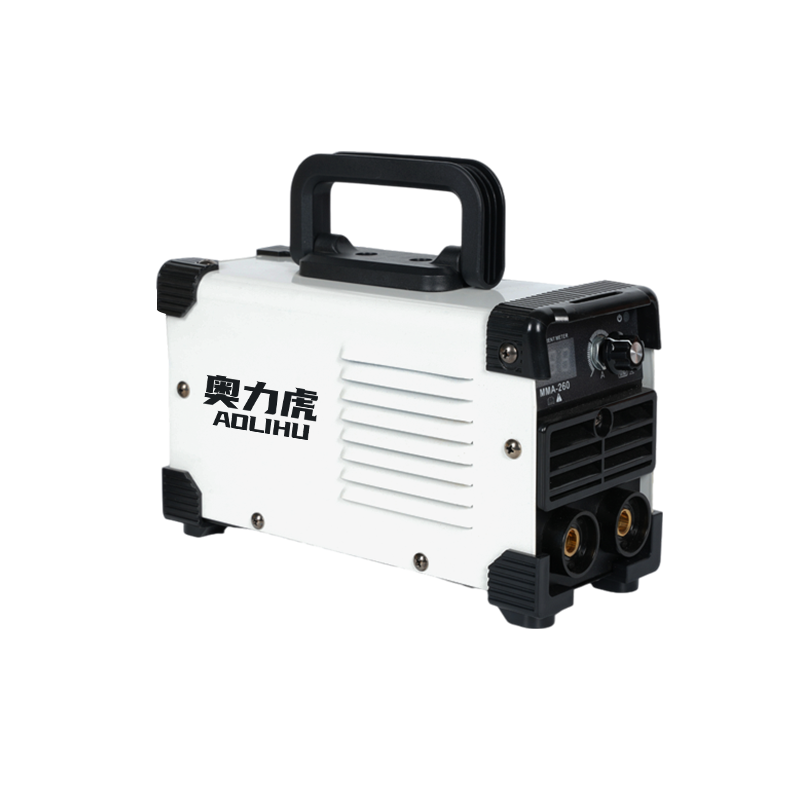
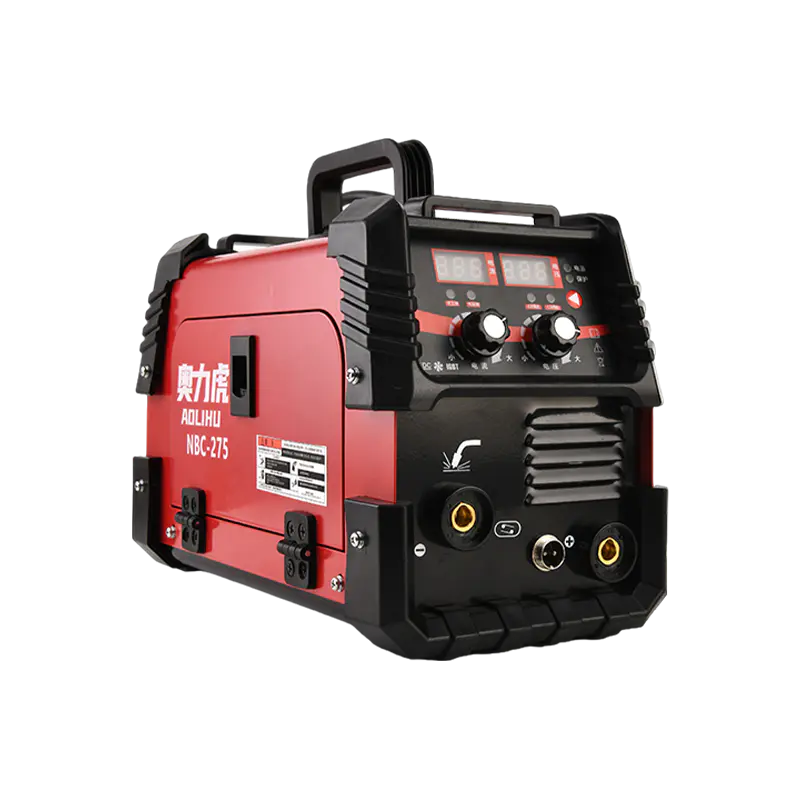
At the heart of this evolution is the advancement in power source technology, particularly the widespread adoption of inverter-based systems in modern welding machines. Compared to older transformer-based units, an inverter welding machine offers significant benefits: it is typically lighter in weight, more energy-efficient, and provides greater control over the welding arc. This allows a single inverter welding machine to often support multiple processes, such as Stick (SMAW), MIG (GMAW), and TIG (GTAW), enhancing its value and flexibility for workshops that handle various materials and joint types. The improved performance of a contemporary welding machine supports higher quality welds with reduced spatter and easier arc starting.
Another significant trend is the increasing integration of digital controls and connectivity features in new welding machines. Modern units may feature intuitive user interfaces, programmable settings for specific applications, and the ability to store custom welding parameters. Some advanced welding machines offer connectivity for data logging, remote monitoring, or software updates, aligning with Industry 4.0 initiatives in larger manufacturing facilities. These smart features on a welding machine aim to improve repeatability, reduce setup errors, and provide insights into equipment usage and maintenance needs.
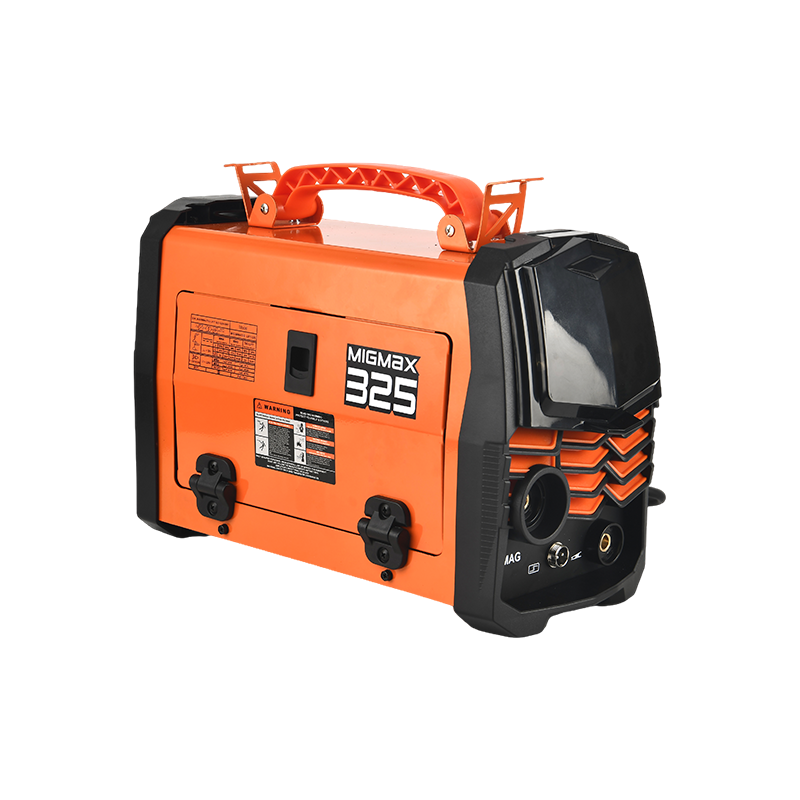
The demand for welding machines is also influenced by the need for specialized solutions. For instance, the rise in automation has spurred growth for robotic welding machine cells in high-volume production. Conversely, for maintenance, repair, and operations (MRO) work, there is strong demand for durable, portable welding machines that can be easily transported to job sites. This includes compact multiprocess welding machines and dedicated machines for specific tasks like orbital pipe welding. The diversification of welding machine types ensures that suitable equipment is available for applications ranging from delicate aerospace components to heavy structural steel fabrication.
Material science developments are concurrently impacting welding machine requirements. As industries adopt newer materials like advanced high-strength steels, aluminum alloys, and composite materials, welding machine manufacturers must develop power sources and processes that can join these materials effectively and reliably. This drives research into more precise waveform control and specialized processes, ensuring that a modern welding machine can meet the stringent quality standards of evolving industries.
The welding machine industry is likely to continue its path of incremental refinement and smart technology integration. Key areas of focus will include further improvements in energy efficiency to reduce operational costs, enhanced user interfaces to simplify complex operations, and the development of more rugged and reliable portable welding machines. Environmental considerations may also encourage developments in cleaner processes or power sources. Despite technological changes, the core function of the welding machine—providing a controlled heat source to create a permanent, high-strength bond between materials—remains unchanged. Its continued adaptation to market needs ensures the welding machine will persist as a critical piece of industrial equipment, enabling fabrication, construction, and repair work that forms the backbone of modern infrastructure and manufacturing.