

 English
 русский
 Français
 Español
Across construction sites, manufacturing floors, repair workshops, and artistic studios, a versatile power tool enables the permanent joining of metals and thermoplastics: the welding machine. This broad category of equipment provides the controlled heat, electricity, or other energy source necessary to melt materials at a joint, allowing them to fuse as they cool. From massive industrial setups to portable units, the evolution of the welding machine reflects continuous advancements in power electronics, control systems, and process efficiency, making it a foundational technology for fabrication and repair.
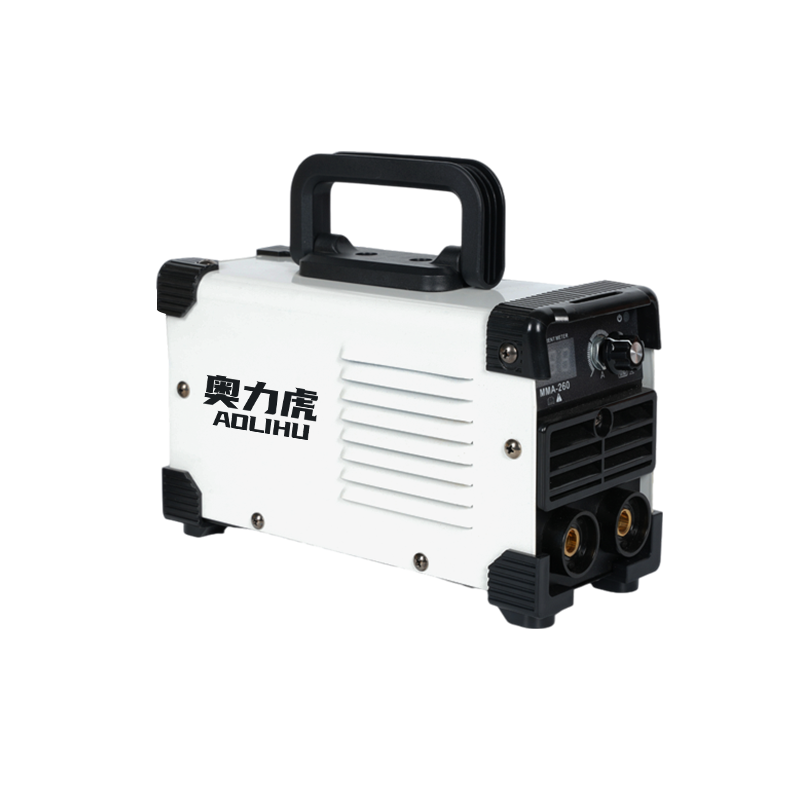
The core function of any welding machine is to generate and manage the energy required for welding. The specific method varies widely. Arc welding machines, which are among the common, create an electric arc between an electrode and the base material, producing intense heat that melts the metals. Within this category, common types include Stick (SMAW), MIG (GMAW), and TIG (GTAW) machines, each suited to different materials, thicknesses, and skill levels. Resistance welding machines, like spot welders, join metals by applying pressure and passing a strong current through the point of contact. More advanced processes use laser or ultrasonic energy, but the principle remains: the welding machine must deliver energy with precise control to create a strong, clean weld.
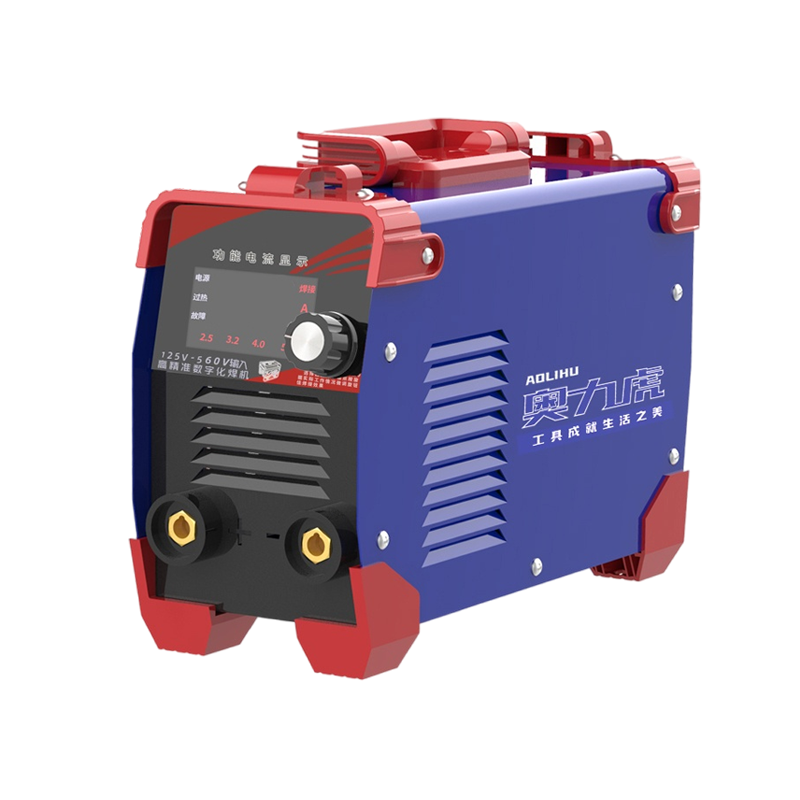
Modern welding machine design places a strong emphasis on user control, portability, and energy efficiency. Inverter technology has revolutionized the field. Unlike older transformer-based machines, an inverter welding machine converts incoming AC power to high-frequency DC, allowing for a much smaller, lighter, and more power-efficient unit with predominant arc stability. Digital controls on contemporary machines let welders fine-tune parameters like voltage, amperage, and pulse frequency for exceptional precision. For field work, the development of robust, battery-powered and engine-driven welding machine models has expanded possibilities for remote repairs and construction, freeing operators from fixed power sources.
The application of the welding machine is nearly limitless, underpinning modern infrastructure and manufacturing. It is essential in building ships, bridges, and skyscrapers; in assembling automobiles, aircraft, and appliances; and in constructing pipelines and pressure vessels. Beyond heavy industry, a welding machine is a vital tool for maintenance crews, farmers, sculptors, and DIY enthusiasts repairing anything from a broken gate to customizing a vehicle frame. The specific choice of welding machine—its process, power capacity, and duty cycle—is dictated by the material, the required weld strength, the work environment, and the operator's expertise.
Safety is an intrinsic consideration in the operation of any welding machine. The process generates significant hazards: intense ultraviolet and infuncommond light, sparks and spatter, fumes, and electric shock risk. Therefore, a responsible welding machine setup is always part of a complete safety system. This includes personal protective equipment (PPE) like auto-darkening helmets, flame-resistant clothing, and respirators, as well as adequate ventilation and proper grounding of the equipment. Modern machines often incorporate safety features like hot-start protection and voltage reduction devices.
Innovation in welding machine technology is geared toward greater automation, connectivity, and ease of use. Synergic machines, which automatically adjust multiple parameters from a single setting, simplify complex processes for operators. The integration of welding machine data with manufacturing execution systems allows for better quality tracking and process optimization. Research also continues into new processes and power sources that offer higher speeds, deeper penetration, or the ability to join dissimilar materials more effectively. As materials and manufacturing demands evolve, so too will the welding machine, remaining the indispensable spark at the heart of joining technology.