

 English
 русский
 Français
 Español
The adoption of electric pruning shears is experiencing a notable increase within professional horticulture, viticulture, and arboriculture, as well as among dedicated gardening enthusiasts. This specialized tool, which utilizes an integrated electric motor to power the cutting blades, offers a modern alternative to traditional manual loppers and pruning saws. The growing interest in electric pruning shears is driven by their ability to improve efficiency, reduce physical strain on operators, and support more precise plant management over extended periods of work.
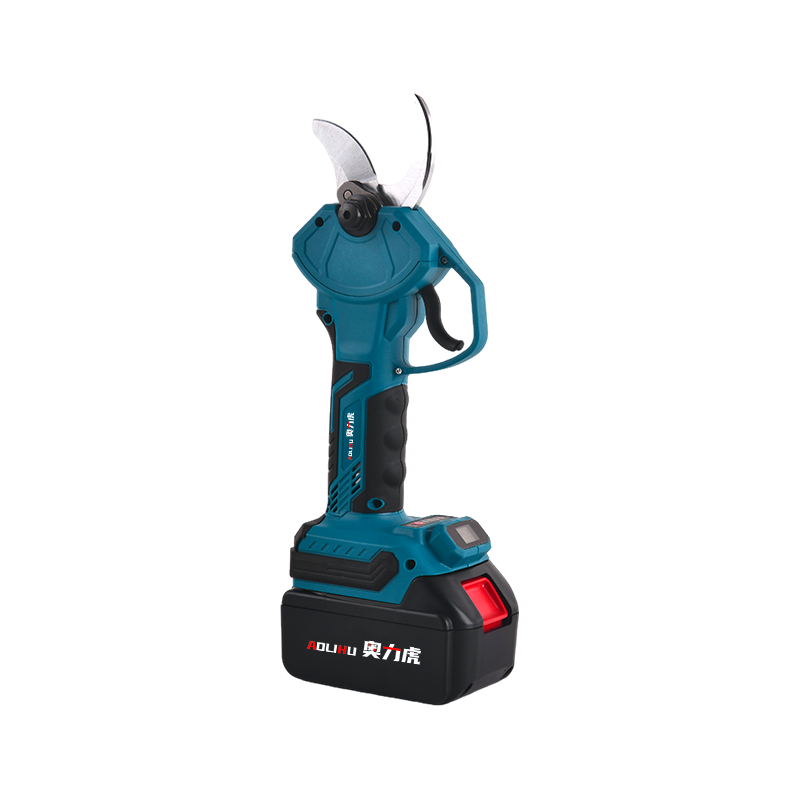
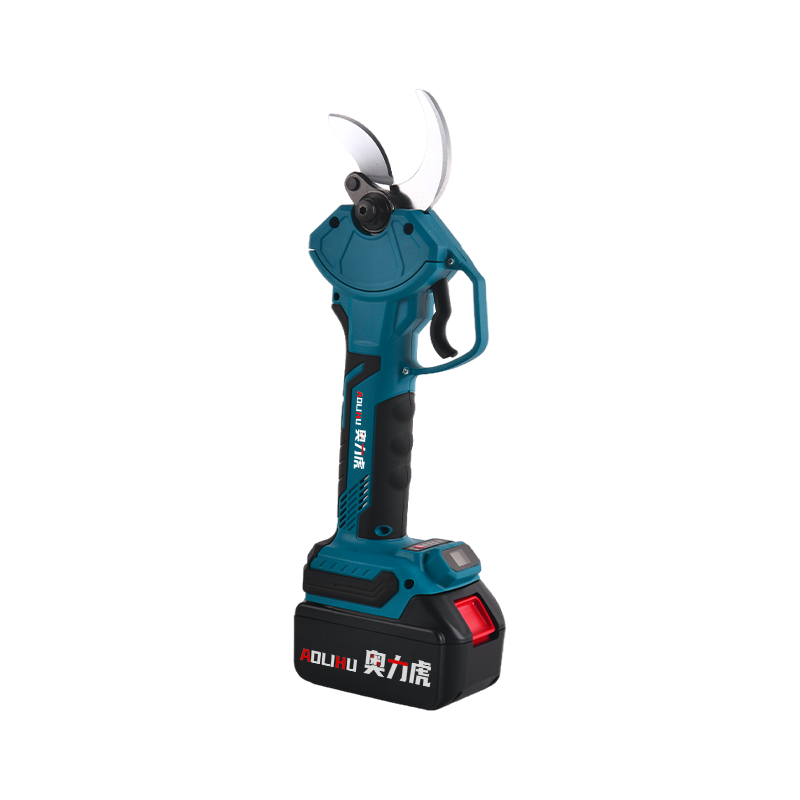
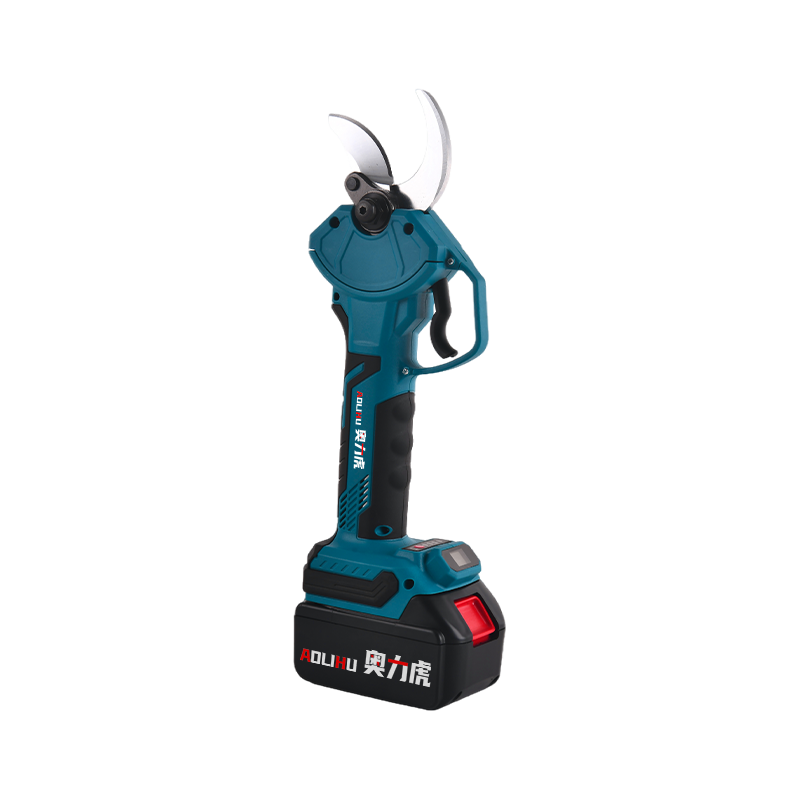 At the core of the electric pruning shears system is a compact, often brushless, electric motor. This motor, powered by a rechargeable lithium-ion battery pack, provides consistent cutting force to a pair of sharp, bypass-style blades. The fundamental advantage of using electric pruning shears lies in the significant reduction of repetitive hand and arm fatigue. For professionals who must make thousands of cuts per day during seasonal pruning campaigns—such as in vineyards, orchards, or ornamental nurseries—the transition to electric pruning shears can cause improved productivity and a reduction in work-related strain injuries. The consistent power delivery of electric pruning shears also ensures a cleaner cut on each branch, which is a recognized factor in promoting plant health and proper wound closure.
The design and ergonomics of modern electric pruning shears are critical to their acceptance. Manufacturers focus on creating a balanced tool that lesss vibration and hand stress. A typical pair of electric pruning shears is designed to be held and operated with one hand, featuring a trigger or switch that activates the cutting mechanism. Safety features, such as a double-action switch or a locking mechanism, are standard to prevent accidental activation. The cutting capacity of electric pruning shears typically ranges to accommodate branches up to a certain diameter, making them suitable for a wide variety of pruning tasks from delicate shoots to thicker, woody stems.
The impact of electric pruning shears is particularly evident in sectors with large-scale, repetitive pruning needs. In commercial vineyards, for example, workers using electric pruning shears can maintain a faster and more uniform pace during winter pruning or green harvesting. Arborists employ electric pruning shears for fine crown reduction and detail work where precision is important. Beyond commercial agriculture, these tools are gaining traction in public park maintenance, botanical gardens, and with serious home gardeners who manage extensive landscapes or fruit trees. The cordless nature of many electric pruning shears provides complete freedom of movement, a vital feature when working across uneven terrain or on ladders.
The market for electric pruning shears is poised for continued growth and technological refinement. Future developments may include lighter and more powerful battery technologies, smart features that count cuts or monitor blade health, and even more ergonomic designs to further reduce operator fatigue. As labor availability remains a concern in many agricultural regions, and as the focus on worker welfare intensifies, tools like electric pruning shears that enhance both efficiency and ergonomics are likely to see sustained demand. Their progression from a novel tool to an established piece of professional equipment underscores a broader shift towards mechanization and assisted technology in precise, hands-on horticultural work, promising to shape pruning practices for years to come.