

 English
 русский
 Français
 Español
The creation of everything from skyscrapers and automobiles to custom artwork and household repairs relies on a fundamental industrial process: permanently joining pieces of metal. The equipment that makes this possible is the welding machine. This broad category of power tools generates the intense heat—typically from an electric arc—required to melt and fuse metal workpieces, often with the addition of a filler material. As a cornerstone technology in fabrication, construction, and maintenance, the evolution of the welding machine from simple, heavy transformers to sophisticated, digitally controlled inverters reflects the ongoing pursuit of greater efficiency, precision, and accessibility in metalworking across all sectors.
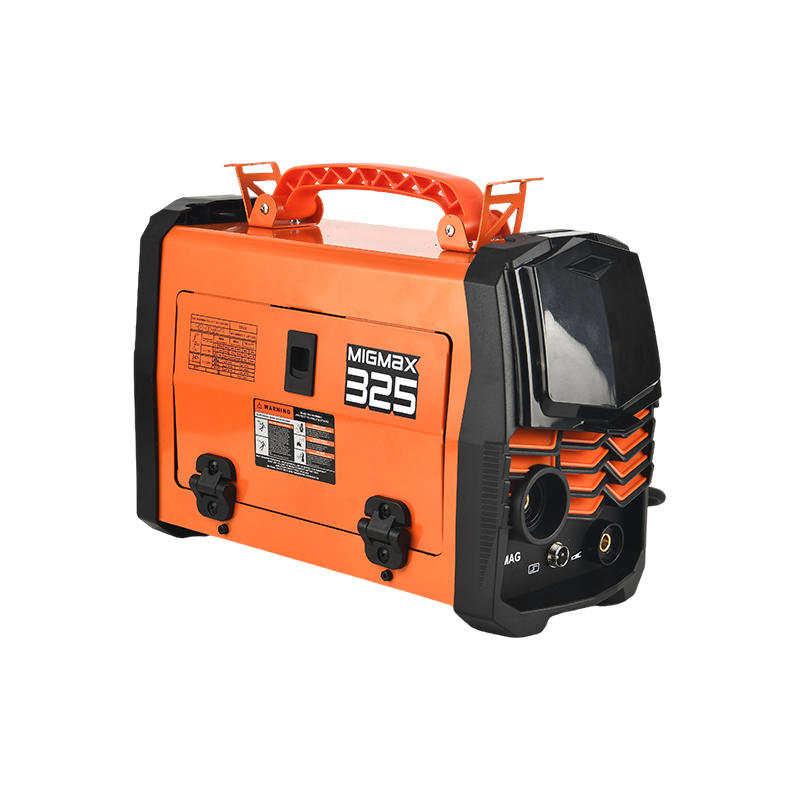
A welding machine operates by creating a closed electrical circuit. It is connected to a primary power source, and two output cables are attached: one to the workpiece (ground clamp) and one to an electrode holder or torch. When the circuit is completed, either by touching the electrode to the workpiece or by generating a high-voltage spark, an electric arc is established. This arc, a concentrated stream of superheated plasma, delivers the energy needed to melt the base metals at the joint. Different welding processes utilize specific types of welding machine and consumables. Common processes include Shielded Metal Arc Welding (SMAW or "stick"), which uses a flux-coated consumable electrode; Gas Metal Arc Welding (GMAW or "MIG"), which employs a continuously fed wire electrode and shielding gas; and Gas Tungsten Arc Welding (GTAW or "TIG"), which uses a non-consumable tungsten electrode and separate filler rod for high-precision work.
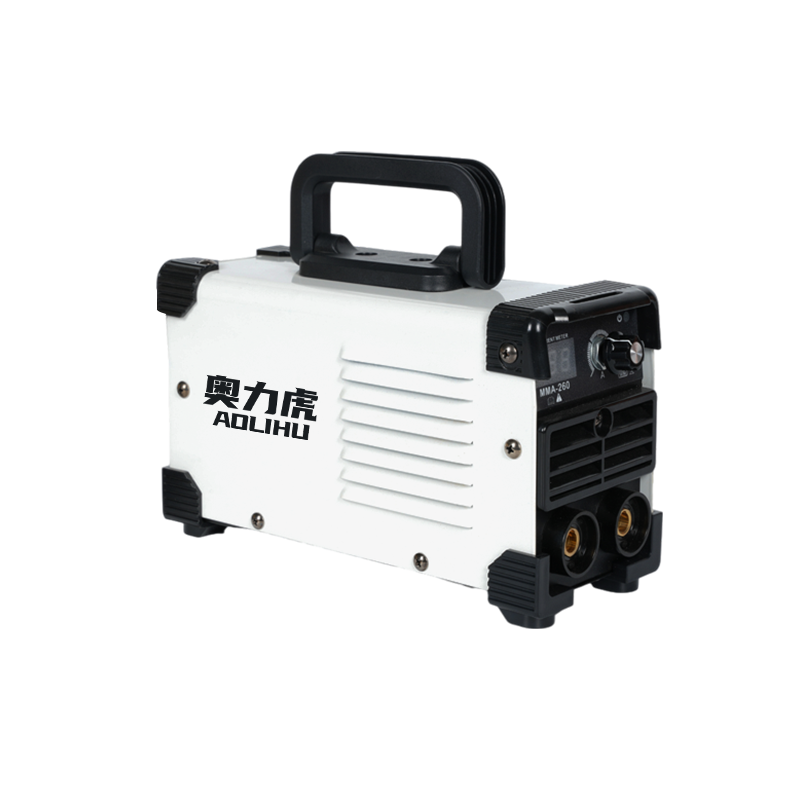
Technological advancement has profoundly transformed the modern welding machine. The lots of significant shift has been the widespread adoption of inverter technology. Inverter-based welding machine units convert incoming AC power to DC, then use fast-switching electronic components to recreate an AC or DC output at the desired frequency and characteristic. Compared to traditional transformer-based machines, an inverter welding machine offers substantial benefits: it is dramatically smaller, lighter, more energy-efficient, and provides predominant arc control and stability. This has enabled the development of highly portable, multi-process welding machine units that can perform Stick, MIG, and TIG welding from a single compact power source, revolutionizing flexibility for workshops and field service.
The application of welding machine technology is universal. In heavy industry and manufacturing, robotic welding machine cells perform repetitive, high-quality welds on assembly lines for vehicles, ships, and appliances. Construction and infrastructure projects depend on welding machine equipment for joining structural steel, pipelines, and reinforcing bar. The maintenance, repair, and operations (MRO) sector uses welding machine tools for everything from fixing agricultural machinery and industrial equipment to performing automotive bodywork. Furthermore, the availability of affordable, user-friendly welding machine models has fueled growth in maker communities, artistic metalwork, and DIY home projects, expanding the user base far beyond traditional industrial trades.
Development in welding machine technology centers on smarter controls, enhanced usability, and deeper process integration. Modern welding machine units often feature digital interfaces, synergic programs that automatically set parameters for given materials, and connectivity for data logging and remote control. There is a continued push to make advanced processes like pulsed MIG and AC/DC TIG welding more accessible through simplified controls on a single welding machine platform. As industries evolve with new materials and automation, the fundamental role of the welding machine as the tool that physically builds and repairs our world remains unchanged.