

 English
 русский
 Français
 Español
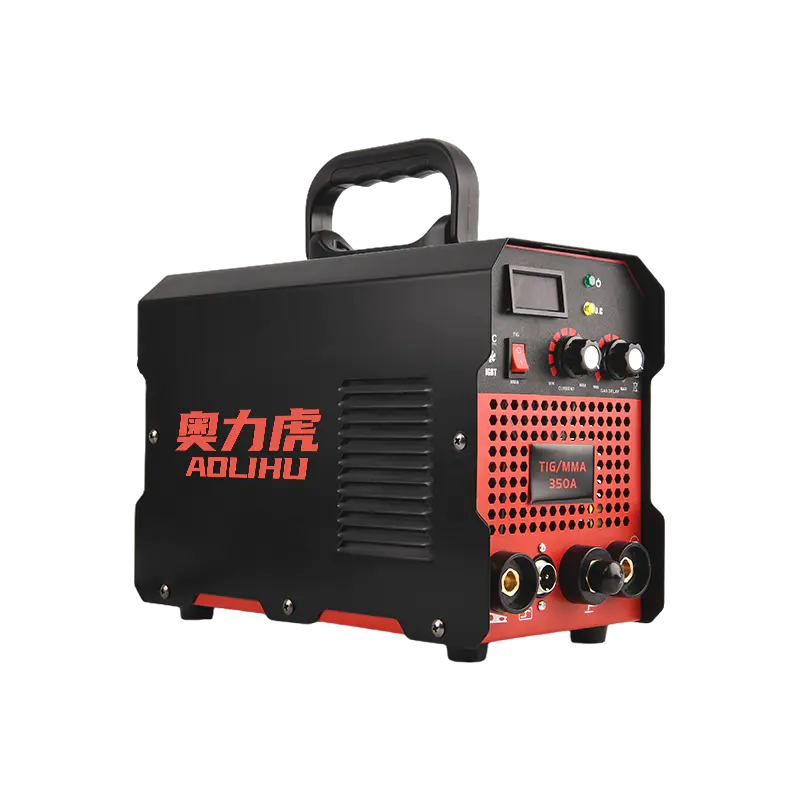
In the world of metal fabrication, where precision, cleanliness, and aesthetic quality are paramount, one technology stands apart: the TIG welding machine. An acronym for Tungsten Inert Gas welding, this equipment facilitates a process also known as Gas Tungsten Arc Welding. The TIG welding machine is distinguished by its use of a non-consumable tungsten electrode and a separate filler rod, enabling unparalleled control over the weld puddle. This makes it the preferred method for joining thin materials, exotic alloys like stainless steel and aluminum, and for applications where a flawless, high-integrity finish is required.
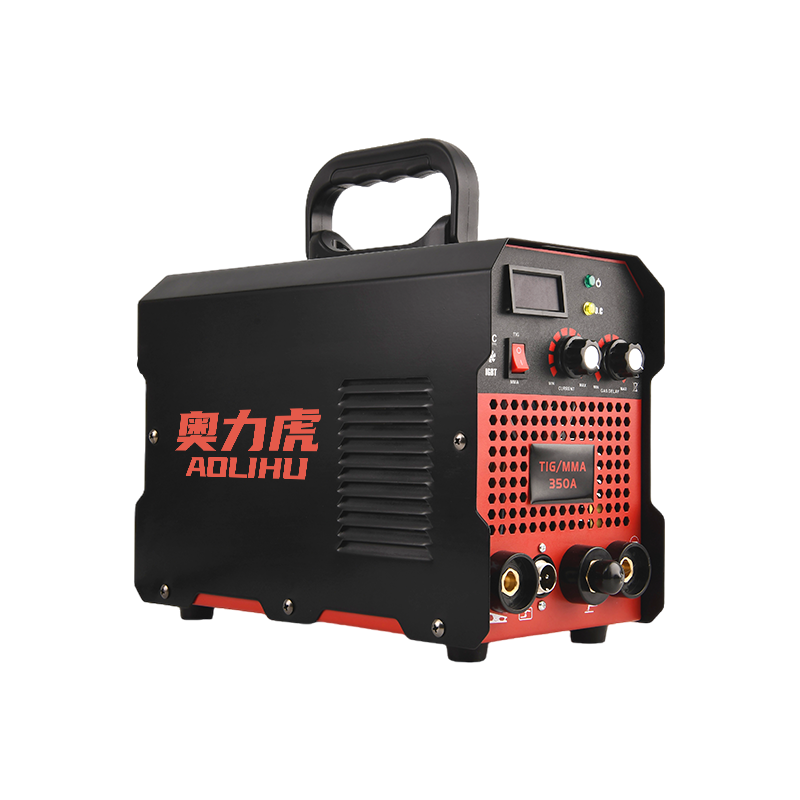
The core operation of a TIG welding machine centers on creating a stable, controlled electric arc. The machine generates a current that flows through a pointed tungsten electrode held in a specialized torch. This arc jumps from the tungsten to the workpiece, generating intense localized heat. A key differentiator is the inert shielding gas—typically pure argon or an argon-helium mix—that flows from the torch nozzle, enveloping the weld area to protect the molten metal and the hot tungsten from atmospheric contamination. The welder manually feeds a separate filler rod into the pilot edge of the puddle, allowing for precise addition of material. This separation of heat source and filler metal is what grants the TIG welding machine its exceptional finesse.
Precision and control are the hallmarks of the TIG welding machine. The operator has independent command over all critical variables: amperage, gas flow, and filler metal addition. This allows for meticulous manipulation of the weld puddle, making it possible to produce clean, narrow, and aesthetically pleasing welds with small spatter and post-weld cleanup. The process is highly versatile in terms of material compatibility. A modern TIG welding machine, especially those with advanced AC/DC output capabilities, can effectively weld aluminum, magnesium, copper alloys, various grades of stainless steel, and even reactive metals like titanium, provided appropriate shielding protocols are followed.
Modern TIG welding machines, particularly those built on inverter technology, offer a suite of features that enhance performance and ease of use. Pulse welding is a standard capability on many units; it alternates between high peak current and low background current, allowing for better heat control on thin materials and out-of-position welding. Features like slope control (for gentle starting and finishing of the arc) and post-flow gas timers (to protect the cooling weld and tungsten) are integral for quality results. The machines are designed for stability, maintaining a consistent arc length crucial for the precise work the TIG welding machine is known for.
Innovation in TIG welding machine technology focuses on improved usability and process automation. Developments include more intuitive digital interfaces, synergic controls that automatically adjust parameters based on material thickness, and advanced high-frequency start options for arc initiation without contamination. There is also a growing trend toward integrating the TIG welding machine into robotic cells for repetitive, high-precision production tasks. As industries continue to demand higher performance from advanced materials, the TIG welding machine will remain at the forefront, evolving to offer even greater control, consistency, and efficiency for the demanding welding applications.