

 English
 русский
 Français
 Español
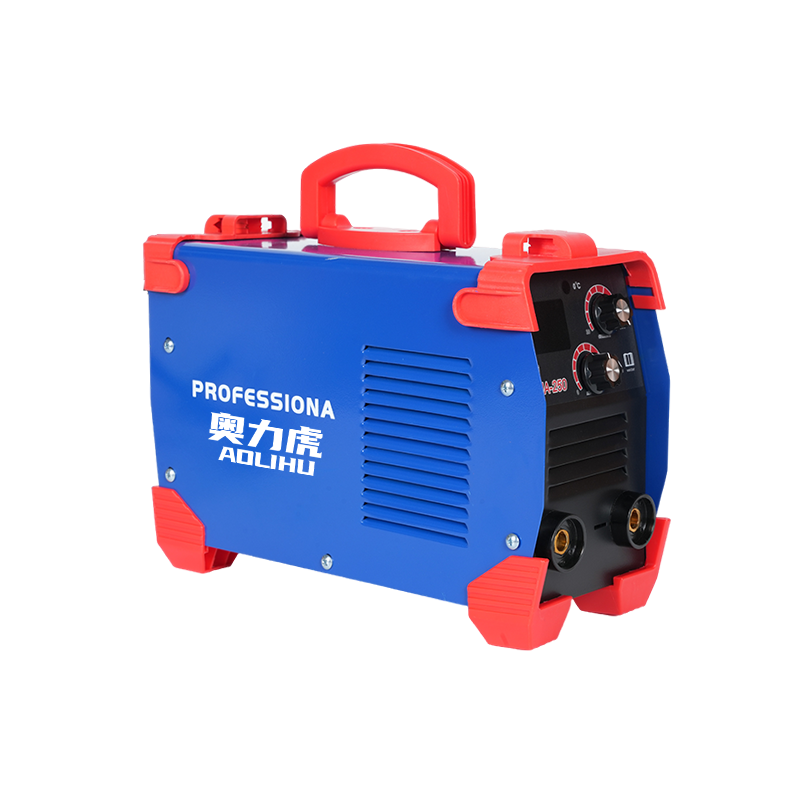
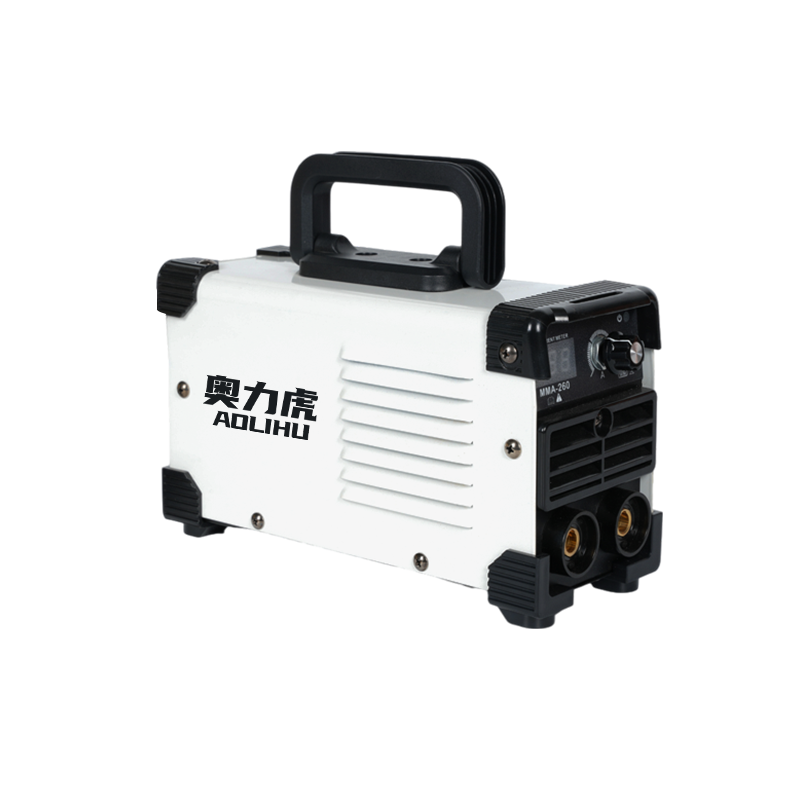
Across construction sites, pipeline projects, farm workshops, and heavy repair yards, a distinct hum is a familiar sound: the operation of an MMA welding machine. Standing for Manual Metal Arc welding, and commonly known as Stick welding, the MMA welding machine is renowned for its simplicity, durability, and versatility in challenging conditions. This type of welding equipment provides a robust and portable solution for joining a wide array of metals, especially steel and iron, making it a foundational tool for industries and trades where reliability is paramount.
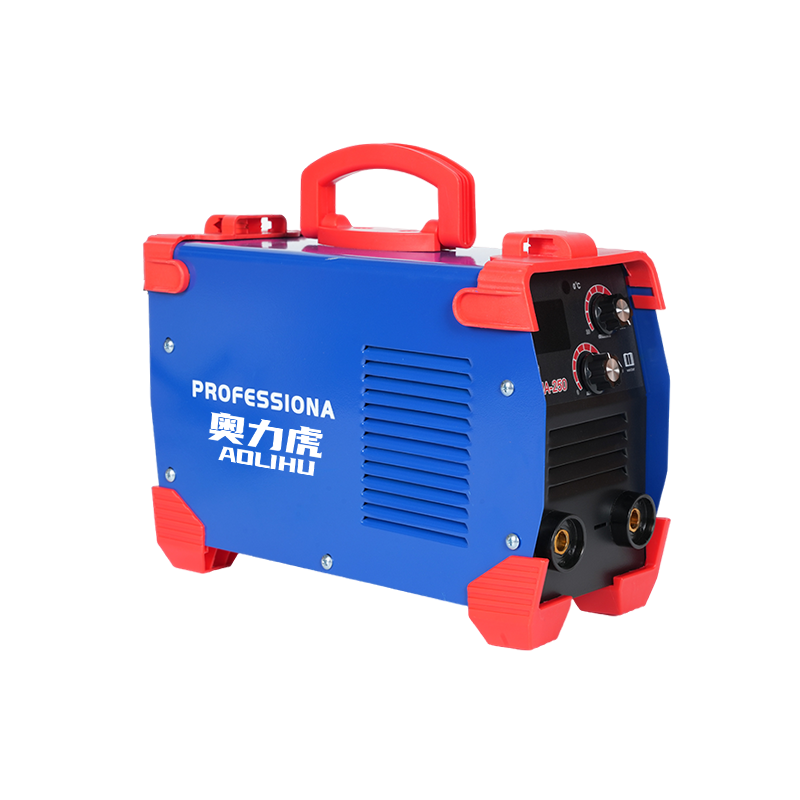
The core operation of an MMA welding machine revolves around creating an electric arc. The machine itself functions as a power source, typically delivering direct current, which establishes a circuit. One end of this circuit is a clamp connected to the workpiece, while the other is a specially coated electrode, or "stick," held in an electrode holder. When the welder strikes the electrode tip against the metal, it completes the circuit and initiates a sustained arc. This arc generates intense heat, melting both the base metal and the tip of the consumable electrode. The molten metal from the electrode transfers across the arc to form the weld bead, while the coating on the electrode vaporizes to create a shielding gas, protecting the molten pool from atmospheric contamination.
A primary advantage of the MMA welding machine is its remarkable portability and independence. Unlike welding processes that require external gas cylinders or complex wire feeders, a basic MMA welding machine setup needs only the power unit, a work cable, an electrode holder, and a box of electrodes. This makes it exceptionally well-suited for fieldwork, remote locations, and outdoor environments where wind might disperse shielding gas from other methods. Modern inverter-based MMA welding machines are particularly prized, as they are significantly lighter and more energy-efficient than the older transformer models, while offering improved arc stability and easier striking capabilities.
The versatility of the MMA welding machine is another key strength. By simply changing the type of electrode used, an operator can weld various materials—including mild steel, stainless steel, cast iron, and some hard-facing alloys—and perform tasks ranging from deep penetration joints on thick plate to delicate repairs on thinner materials. This flexibility, combined with the machine's ability to tolerate less-than-superbly clean surfaces (rust, paint, or mill scale), makes the MMA welding machine a go-to choice for maintenance, repair, and construction work where conditions are often less than ideal.
Innovation in MMA welding machine technology continues to emphasize ruggedness, efficiency, and enhanced usability. Advances in power electronics cause even smaller, lighter units with broader amperage ranges. There is also a trend toward multi-process machines that combine MMA welding capability with other functions like TIG or Gouging, offering greater value and flexibility from a single power source. While newer, more automated welding processes exist for factory environments, the MMA welding machine endures as the quintessential portable, versatile, and dependable workhorse, empowering welders to create strong, lasting joints anywhere from a shipyard to a remote field. Its enduring presence is a testament to the effectiveness of a straightforward, robust technology.