

 English
 русский
 Français
 Español
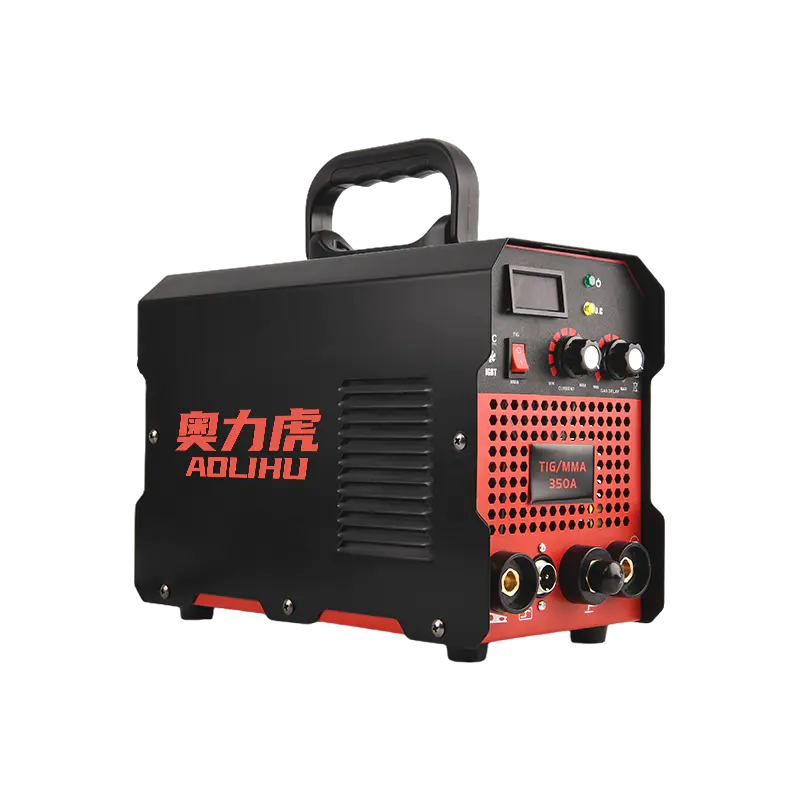
The landscape of metalworking and DIY projects is being reshaped by a growing demand for tools that combine capability with convenience. At the forefront of this trend is the Portable Mini Welding Machine. This category of equipment is defined by its small physical footprint, light weight, and design focused on portability and ease of use, making welding accessible for hobbyists, artists, home craftspeople, and technicians performing light-duty repairs. While not intended for heavy industrial fabrication, the modern Portable Mini Welding Machine packs significant functionality into a compact package, often utilizing inverter technology to deliver controlled arc performance for tasks like automotive bodywork, sculpture, gutter repair, and small fabrication projects.
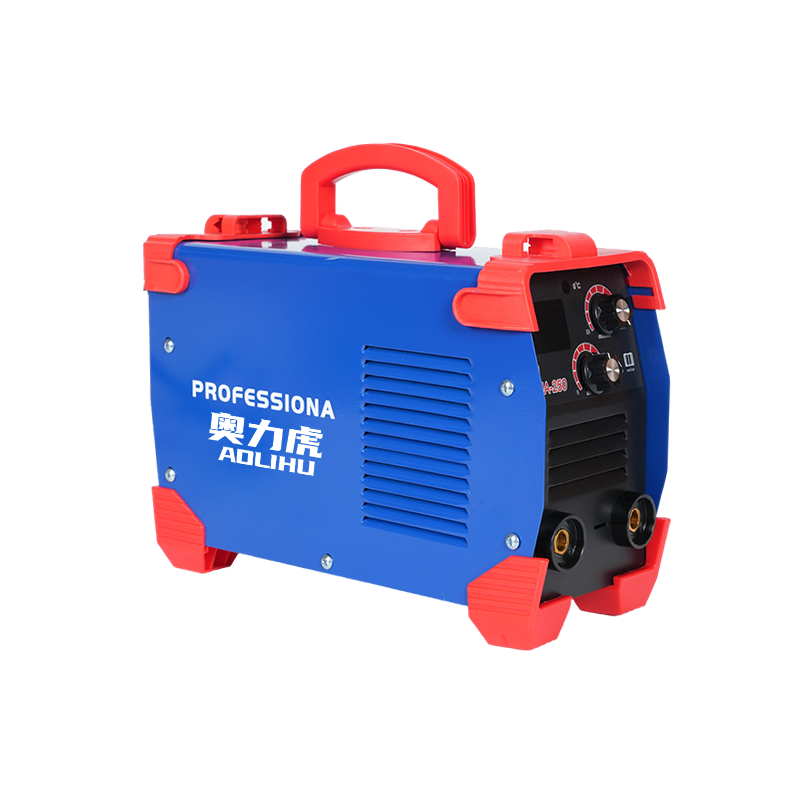
The core innovation enabling the Portable Mini Welding Machine is advanced inverter-based power supply design. These machines take standard household AC power (often 110V or 220V), convert it to DC, and then use high-frequency switching circuits to produce a stable, controllable welding output. This electronic architecture eliminates the need for the heavy copper windings found in traditional transformer welders, resulting in a unit that can be as small as a lunchbox and weigh only a few kilograms. Despite its size, a quality Portable Mini Welding Machine provides adjustable amperage control, essential for managing heat input on thin materials to prevent burn-through, a common challenge for novice welders.
Lots of Portable Mini Welding Machine units are designed for specific, user-friendly processes. A common configuration is a DC Portable Mini Welding Machine capable of Stick (SMAW) welding, which is valued for its simplicity—requiring only the machine, an electrode holder, ground clamp, and consumable electrodes. Another popular type is a DC lift-TIG Portable Mini Welding Machine, which allows for more precise welding of stainless steel, aluminum (with high-frequency add-ons in some models), and mild steel, appealing to model makers and jewelry artisans. Some advanced all-in-one Portable Mini Welding Machine models even integrate MIG welding capability with gasless flux-cored wire, offering a semi-automatic process that is easier for beginners to learn and manage for light-gauge steel.
The practical benefits of a Portable Mini Welding Machine are clear for its target audience. Its primary advantage is space efficiency; it can be stored on a shelf and easily transported to a job site, a garage, or even used indoors with proper ventilation. The lower power requirement allows it to operate from standard wall outlets, eliminating the need for specialized high-amperage circuits in many cases. This accessibility lowers the barrier to entry for learning welding as a skill. Furthermore, for professionals like HVAC technicians, auto body specialists, or maintenance crews, a Portable Mini Welding Machine serves as an ideal secondary tool for quick repairs in the field or in tight spaces where a larger machine would be impractical.
Development in the Portable Mini Welding Machine sector continues to focus on enhancing capability within the compact form factor. Trends include the integration of more intuitive digital displays for precise parameter setting, the addition of pulse welding functions for better control on thin materials, and improved thermal management systems to allow for longer duty cycles. There is also a move toward even more compact, battery-powered Portable Mini Welding Machine prototypes, though these currently have limitations in power and runtime. As the maker movement grows and the value of hands-on repair gains cultural traction, the Portable Mini Welding Machine stands as a key enabler.