

 English
 русский
 Français
 Español
The humble handle, a component so ubiquitous it often escapes notice, is undergoing a quiet revolution in design and functionality. The emergence of the labor-saving handle as a distinct product category reflects growing awareness that well-designed interfaces between humans and the objects they use can significantly reduce physical strain, improve efficiency, and prevent injury. From industrial settings to household applications, labor-saving handle innovations are transforming how people interact with doors, cabinets, tools, and equipment.
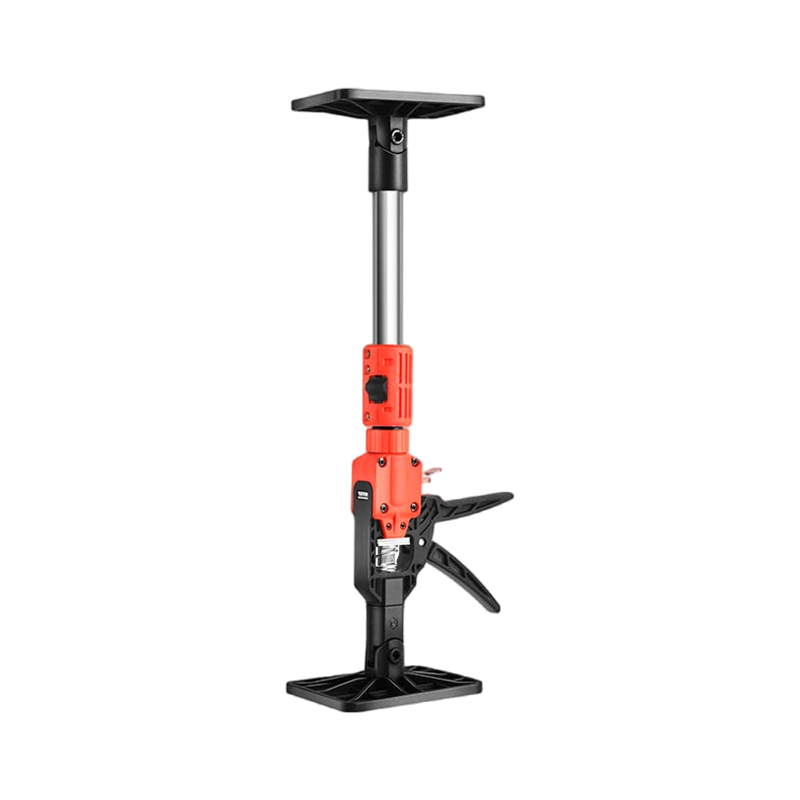
At the core of this transformation is the application of ergonomic science to handle design. Traditional handles often forced users into awkward wrist positions or required excessive grip force to operate effectively. Modern labor-saving handle designs begin with careful analysis of human anatomy and movement patterns. The result is handles that align with the natural position of the hand during use, distributing force across larger surface areas and reducing pressure on vulnerable joints. This ergonomic approach benefits users across all age groups and physical capabilities, making everyday tasks more comfortable and sustainable.
Material selection has evolved to enhance the labor-saving characteristics of modern handles. Lightweight yet strong materials reduce the inertial load that users must overcome when initiating movement. Textured surfaces and strategic grip contours prevent hands from slipping, ensuring that applied force transfers efficiently to the intended task. Thermoplastic elastomers and other soft-touch materials provide comfortable interfaces that conform slightly to hand shapes, further distributing pressure and reducing fatigue during extended or repeated use.
Accessibility considerations have driven significant innovation in labor-saving handle design. Building codes and design guidelines increasingly require that environments accommodate users with limited strength or dexterity. Lever handles that operate with a simple push or pull replace round knobs that require grasping and twisting. Pull handles with generous clearance allow users with limited hand function to hook an arm or wrist through for operation. These design features benefit not only individuals with disabilities but also anyone carrying packages, pushing a stroller, or otherwise encumbered during door operation.
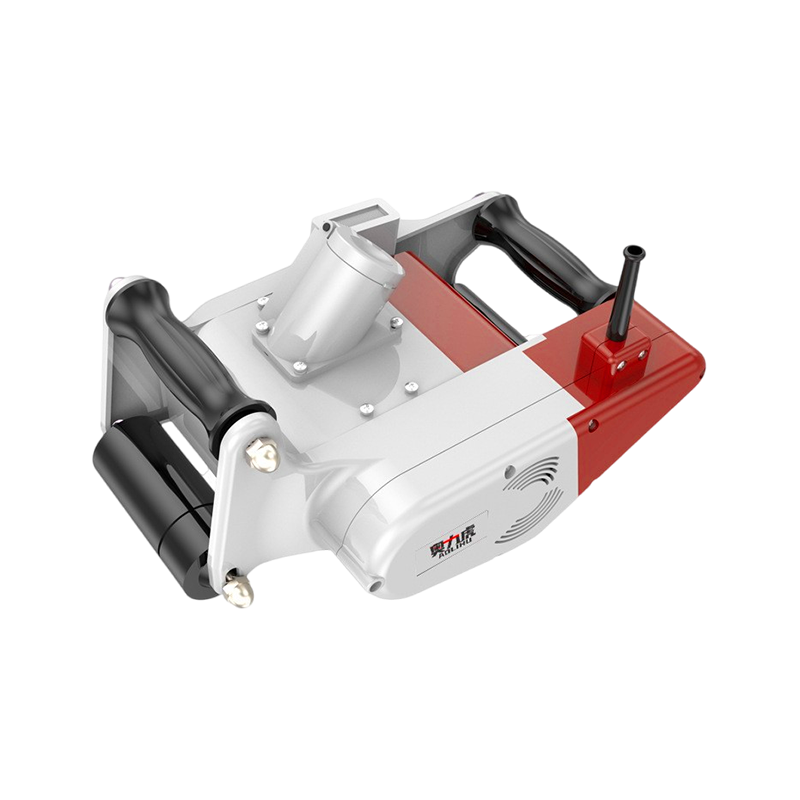
Industrial applications highlight the potential of labor-saving handles to prevent workplace injuries. Repetitive motion and excessive force contribute to musculoskeletal disorders that represent a significant portion of workplace injuries and lost time. Ergonomic handles on tools, equipment, and material handling devices reduce the physical demands of industrial tasks. Vibration-damping handle designs protect operators of power tools from harmful vibration exposure. Anti-slip surfaces maintain secure grip even when hands are wet or gloves are worn, preventing accidents that could result from loss of control.
Kitchen and bath applications demonstrate how labor-saving handles enhance daily life. Cabinet pulls designed with ergonomic profiles reduce hand fatigue during meal preparation and cleanup. Refrigerator and oven handles positioned at ideal heights and angles less bending and reaching. Faucet handles that operate with light touch or motion sensors eliminate the need for gripping and twisting altogether. These seemingly small improvements accumulate into significant reductions in physical effort over years of daily use.
As awareness of ergonomics and accessibility continues to grow, the demand for labor-saving handles will likely expand across all market segments. The recognition that well-designed interfaces between people and their environments can prevent injury, reduce fatigue, and improve quality of life drives ongoing innovation in this important but often overlooked product category. From industrial workplaces to residential kitchens, labor-saving handles are making everyday tasks easier for everyone.