

 English
 русский
 Français
 Español
Labor saving arm is a mechanical assist device that helps workers lift, position, and manipulate heavy or awkward loads with reduced physical effort. From assembly lines to warehouses, a labor saving arm reduces the risk of injury while increasing productivity by allowing one person to do what might otherwise require two or three.
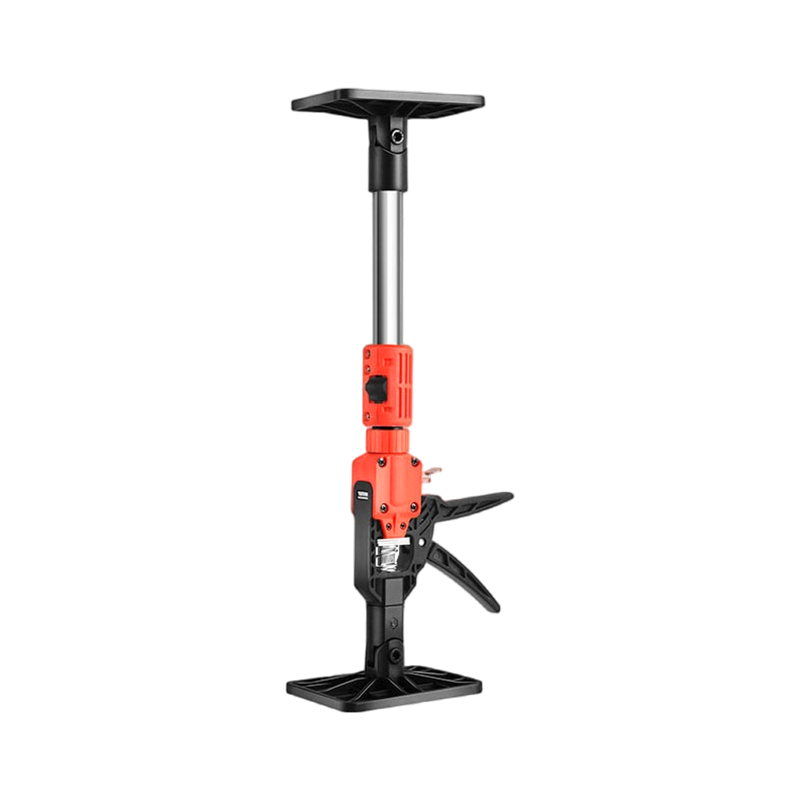
The basic design of a labor saving arm includes a vertical support column, a horizontal boom that pivots or extends, and a gripper or attachment at the end. The arm uses a combination of springs, counterweights, or pneumatic cylinders to offset the weight of the load. When the worker lifts the load, the arm provides an upward force that nearly cancels the weight, making the load feel almost weightless. The worker then moves the load into position with small effort, and the arm holds it there while the worker performs the task.
The capacity of a labor saving arm varies by model. Smaller arms handle loads up to 50 pounds, suitable for repetitive lifting of boxes or components. Medium-duty arms handle 100 to 300 pounds, common in manufacturing and packaging. Heavy-duty arms can handle 500 pounds or more, used for positioning engine blocks, large castings, or rolls of material. The arm should be selected so that its capacity comfortably exceeds the big load weight, with a margin for safety.
The reach of a labor saving arm determines the work envelope. Articulating arms have multiple pivot points that allow the end to move in a wide range of positions, reaching around obstacles and into tight spaces. Parallel arms keep the load level throughout the range of motion, which is important for handling containers of liquid or fragile items. Track-mounted arms roll along an overhead rail, covering long workstations or multiple assembly positions. The reach should cover the entire area where loads need to be positioned.
The end tooling of a labor saving arm is customized to the load. Vacuum cups pick up smooth, flat items such as sheets of glass or plastic. Mechanical grippers clamp onto irregular shapes. Magnetic attachments handle ferrous metal parts. Hooks and slings lift bags or bundles. The tooling should release the load easily when in position, often with a button or lever that the worker operates with one hand while guiding the load with the other.
The ergonomic benefit of a labor saving arm is significant. Without the arm, workers lift loads manually, often in awkward postures or repetitive motions that lead to back strain, shoulder injuries, and fatigue. With the arm, the worker guides the load but does not bear its weight. The arm absorbs the forces that would otherwise stress the worker’s body. Companies that install labor saving arms often see a reduction in reported ergonomic injuries and related workers’ compensation claims.
For any workplace where workers lift heavy items repeatedly, a labor saving arm reduces injuries and increases output. It takes the weight off the worker while keeping the precision and decision-making with the human operator. The arm does not replace the worker; it makes the worker more capable and less tired at the end of the day. From small assembly cells to large distribution centers, a labor saving arm is a practical investment in both worker safety and productivity.