

 English
 русский
 Français
 Español
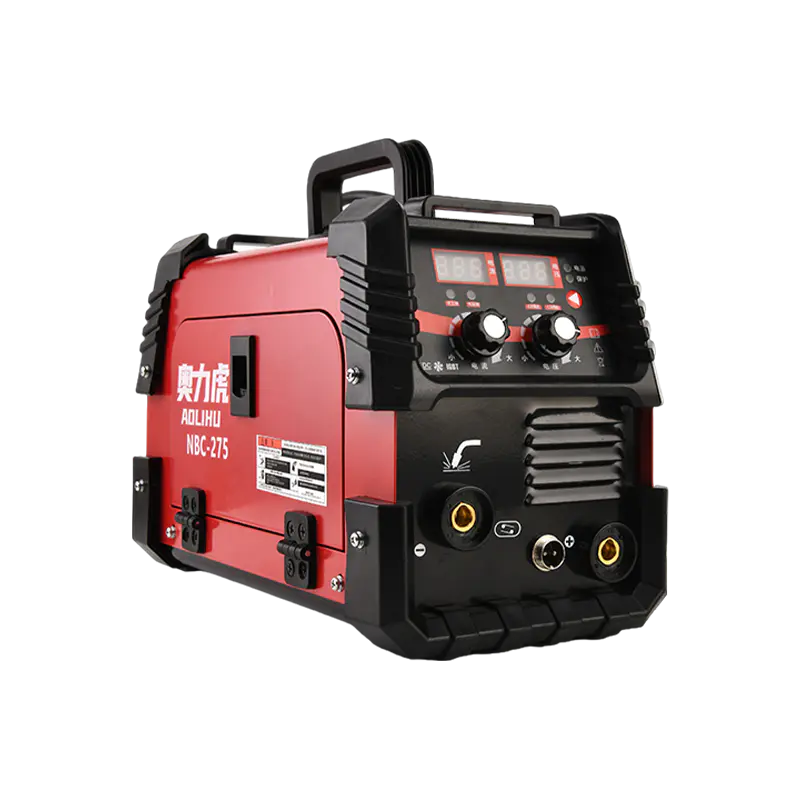
Electric welding machine is a vital tool in construction, manufacturing, and repair workshops, allowing workers to join metal pieces by melting and fusing them together. From building steel frameworks to repairing farm equipment, the electric welding machine provides a reliable method for creating strong, permanent connections between metal components.
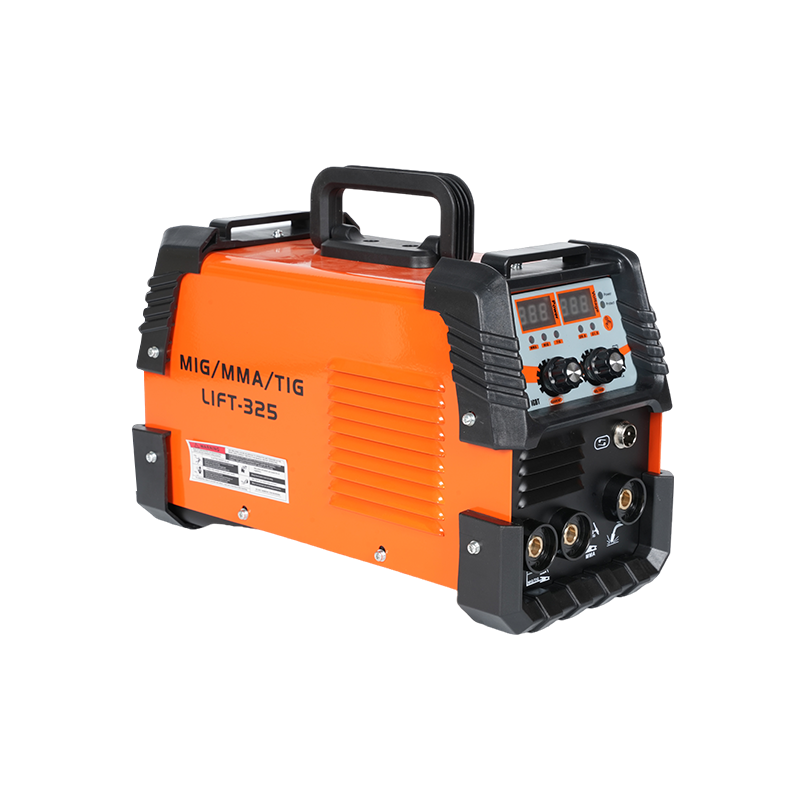
The basic operation of an electric welding machine involves creating an electrical circuit between the machine, the workpiece, and an electrode. When the electrode touches the workpiece at a close distance, an electric arc forms, producing intense heat that melts both the base metal and the electrode material. As the molten metal cools, it solidifies into a joint that can be as strong as or stronger than the surrounding metal.
Several types of electric welding machines exist for different applications. Stick welders, also known as shielded metal arc welding machines, use a consumable electrode coated in flux. These machines are simple, portable, and work well outdoors or in windy conditions. MIG welders, or metal inert gas welding machines, feed a continuous wire electrode through a gun, while a shielding gas protects the weld pool from contamination. MIG machines allow faster welding and produce cleaner welds with less cleanup. TIG welders use a non-consumable tungsten electrode and require separate filler material. TIG welding offers precise control and produces high-quality welds on thin or exotic metals.
The choice of electric welding machine depends on the material thickness, joint type, and working environment. A small hobbyist machine with 120-volt input can weld sheet metal up to an eighth of an inch thick. Larger industrial machines with 240-volt or three-phase input can weld thick structural steel in a single pass. Portable inverter-based machines have become popular for field work, as they offer good performance while weighing much less than older transformer-based designs.
Safety features on modern electric welding machines have improved significantly. A welding helmet with auto-darkening lenses protects the eyes from arc flash while allowing the welder to see the workpiece before striking the arc. Gloves, sleeves, and aprons made of flame-resistant materials protect against sparks and ultraviolet exposure. Many machines include thermal overload protection, which shuts down the unit if internal components become too hot, preventing damage to the machine.
Proper setup of an electric welding machine affects weld quality and safety. The operator must select the correct polarity for the electrode and process. The current setting must match the material thickness and joint design. The ground clamp must attach securely to clean metal close to the weld area. A poor ground connection can cause erratic arc behavior and weak welds.
Maintenance requirements for electric welding machines are generally modest. Keeping the machine clean of dust and metal filings prevents overheating. Inspecting cables for damaged insulation reduces the risk of electrical shock. Replacing worn contact tips and liners on MIG guns maintains consistent wire feeding. Stick welders require occasional replacement of the electrode holder when spring tension weakens.
From skyscrapers to household repairs, the electric welding machine joins metals that would otherwise remain separate pieces. It turns raw steel into frames, attaches brackets to machinery, and seals cracks in equipment. In the hands of a skilled operator, an electric welding machine creates connections that hold for decades.