

 English
 русский
 Français
 Español
Outdoor power equipment has shifted noticeably toward battery-powered designs over the past several years, and the cordless leaf blower sits at the center of that shift. Buyers ranging from landscaping companies to retail distributors are showing steady interest in these tools, driven largely by convenience and flexibility rather than any single standout feature.
Understanding the Basic Design
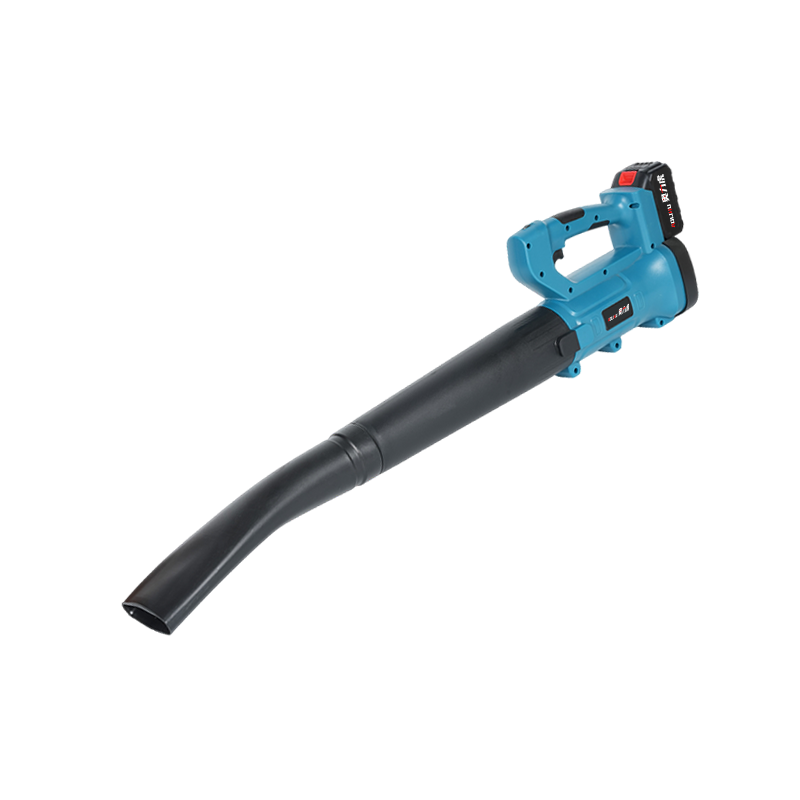
A cordless leaf blower typically relies on a rechargeable battery pack, a brushless or brushed motor, and a housing designed to direct airflow through a nozzle. Unlike corded models, there's no dependency on a nearby power outlet or an extension cord, which changes how the tool is used on job sites and in residential settings alike.
Battery packs vary by voltage and amp-hour rating, which affects runtime and airflow output. Some models use interchangeable batteries shared across a manufacturer's broader tool lineup, allowing buyers to standardize their battery inventory across multiple devices rather than purchasing separate charging systems for each tool.
Why Buyers Are Interested
For commercial buyers such as landscaping contractors, the appeal of a cordless leaf blower often comes down to mobility. Crews working across multiple properties in a day benefit from not managing cords or staying near a power source. This translates into fewer setup delays and more straightforward movement between job locations.
Retail and wholesale buyers, meanwhile, are responding to consumer demand for quieter, more portable yard tools. Residential users often prioritize ease of storage and simple operation, and cordless models tend to fit smaller storage spaces compared to gas-powered alternatives with fuel tanks and larger engines.
Variations in Power and Output
Not all cordless leaf blower models are built the same way. Some are designed as lightweight handheld units suited for small yards or quick cleanup tasks, while others are backpack-style units intended for extended use across larger properties. Airflow speed and volume, measured in CFM and MPH, vary between models depending on motor type and battery voltage.
Buyers sourcing these products for resale or fleet use typically compare these specifications closely, since a landscaping crew handling large properties may need different output levels than a homeowner clearing a driveway. This variation has led suppliers to offer tiered product lines rather than a single universal design.
Manufacturing and Sourcing Trends
On the manufacturing side, demand for cordless leaf blower units has encouraged suppliers to diversify their battery technology, often incorporating lithium-ion cells similar to those used in other cordless garden tools. This shared battery architecture allows manufacturers to reduce production complexity while offering buyers cross-compatible tool ecosystems.
Sourcing conversations between distributors and manufacturers frequently touch on motor type, noise levels during operation, and weight distribution, particularly for backpack models. Buyers placing bulk orders also consider packaging and shipping logistics, since battery-powered tools carry specific handling requirements during transport compared to non-battery equipment.
A Growing Category With Room to Diversify
The cordless leaf blower category continues to attract attention from both commercial and residential buyers, supported by a widening range of designs, battery configurations, and airflow capabilities. As manufacturers refine their lineups, buyers are finding more room to match specific tools to specific use cases rather than settling for one-size-fits-all equipment.
For distributors and retailers evaluating this category, understanding the range of available configurations offers a practical starting point before narrowing down supplier options based on battery compatibility, output specifications, and intended end use.