

 English
 русский
 Français
 Español
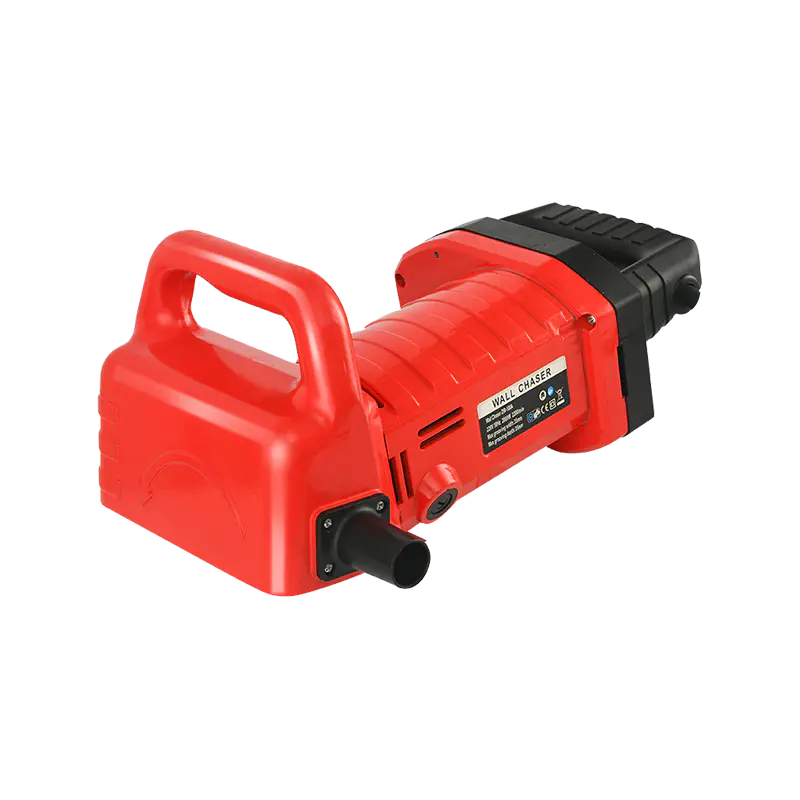
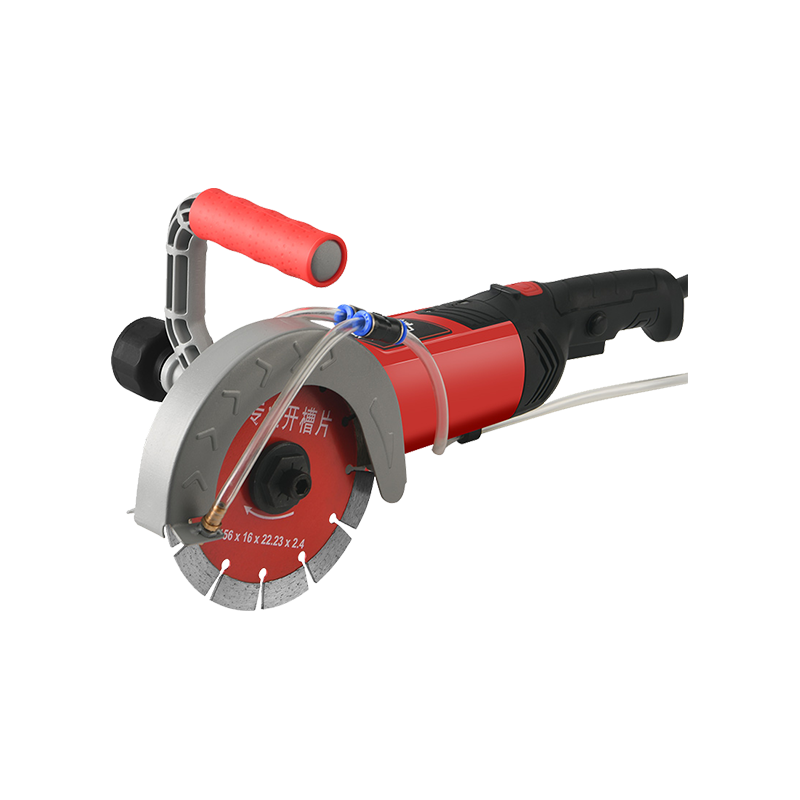
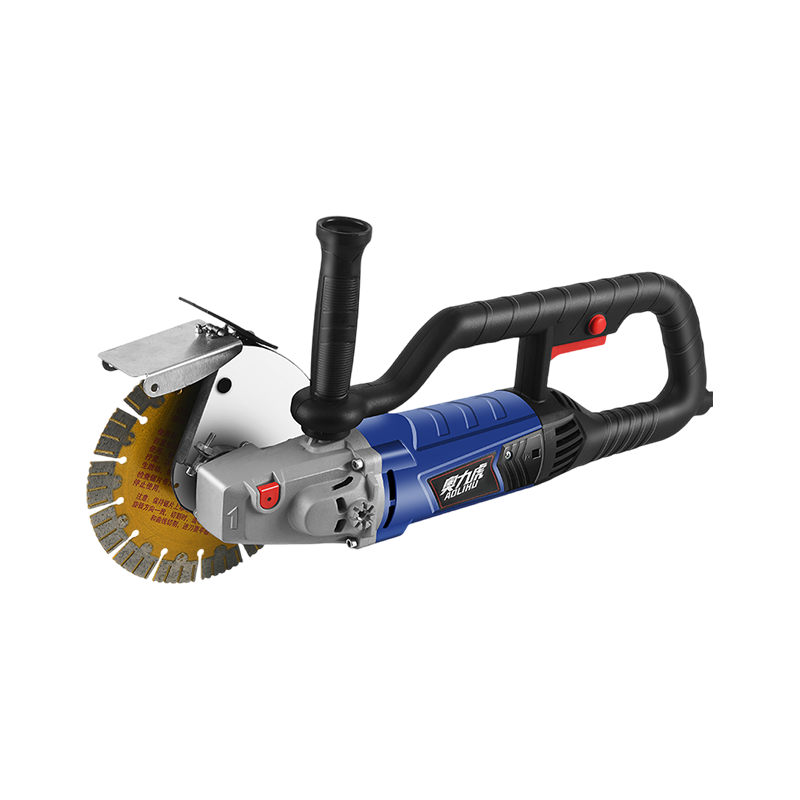
Construction and renovation projects frequently require precise openings in existing walls. A wall cutting machine provides controlled cutting through concrete, brick, or similar materials to create doorways, windows, or service passages. The equipment supports professional crews working on commercial buildings, industrial facilities, and large-scale interior modifications.
Supporting Accurate Openings on Active Sites
Commercial renovation teams often need to modify structural or partition walls while other work continues nearby. A wall cutting machine follows marked lines to produce clean edges and consistent depth. Operators guide the unit along the planned path, removing material in a controlled sequence that limits disruption to surrounding areas.
In industrial buildings the same capability allows creation of access points for new equipment or updated layouts. The machine works on vertical surfaces and can adjust to different wall thicknesses commonly found in warehouses and production facilities. This flexibility helps crews complete opening tasks within the overall project schedule.
Role in Daily Construction Workflows
Project timelines usually allocate specific windows for structural modifications. A wall cutting machine fits into these windows by delivering steady cutting progress once positioning and setup are complete. Crews prepare the work area, secure the machine, and begin the cut according to the approved plan.
Because the unit handles the primary material removal, supporting tasks such as debris management and edge finishing can proceed in parallel. The sequence keeps multiple trades coordinated when wall openings form part of a larger renovation package. Daily output remains predictable when the machine operates within its designed capacity.
Matching the Machine to Site Conditions
Wall composition, thickness, and available workspace influence equipment selection. A wall cutting machine designed for professional use accommodates the reinforced concrete or masonry walls typical of commercial and industrial structures. Teams review the planned openings and choose a configuration that aligns with those dimensions and material properties.
Power source and mobility also factor into daily use. Units that move reasonably between locations on a large site reduce transfer time. Stable mounting during operation helps maintain cut quality from start to finish of each opening.
Practical Integration Into Project Schedules
Morning briefings on construction sites frequently include confirmation of equipment readiness for the day’s cutting tasks. A wall cutting machine is positioned at the first marked location, secured, and prepared for the initial cut. Once that opening is complete, the unit relocates to the next planned position.
The cycle continues through the allocated work period. Coordination with other trades ensures that areas remain clear for machine movement and that completed openings receive any required temporary protection. This pattern supports steady advancement across multiple openings within the same phase of work.
Applications Across Different Project Types
Office building renovations use a wall cutting machine to create new circulation paths or service routes. Retail fit-outs apply the same equipment when modifying existing partitions for updated layouts. Industrial facility upgrades rely on it for equipment access openings or process line adjustments.
In each setting the machine serves as the primary tool for controlled material removal in vertical surfaces. The ability to produce accurate openings reduces the need for extensive manual correction afterward and keeps the surrounding structure intact.
Selecting Configuration for Current Needs
Cutting depth capacity, guide system type, and blade compatibility guide the choice of wall cutting machine. Project teams compare these attributes against the wall specifications listed in the construction documents. Matching the machine to the most common wall conditions on the site helps maintain consistent performance across the full set of openings.
Operator familiarity with the controls further supports efficient use. When the team can set up and operate the unit according to established procedures, the cutting stage integrates smoothly into the broader construction sequence.