

 English
 русский
 Français
 Español
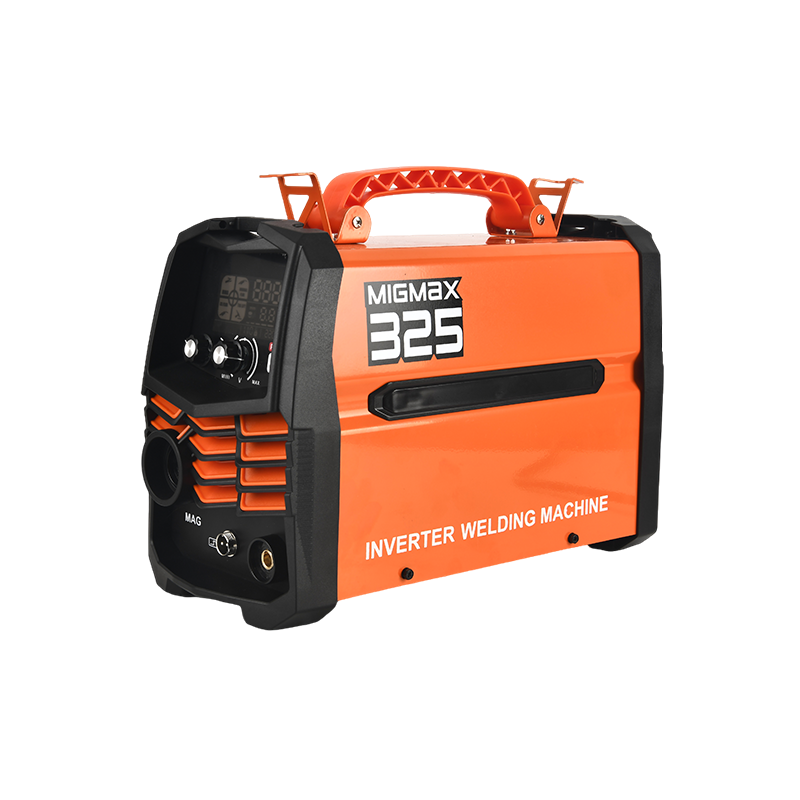
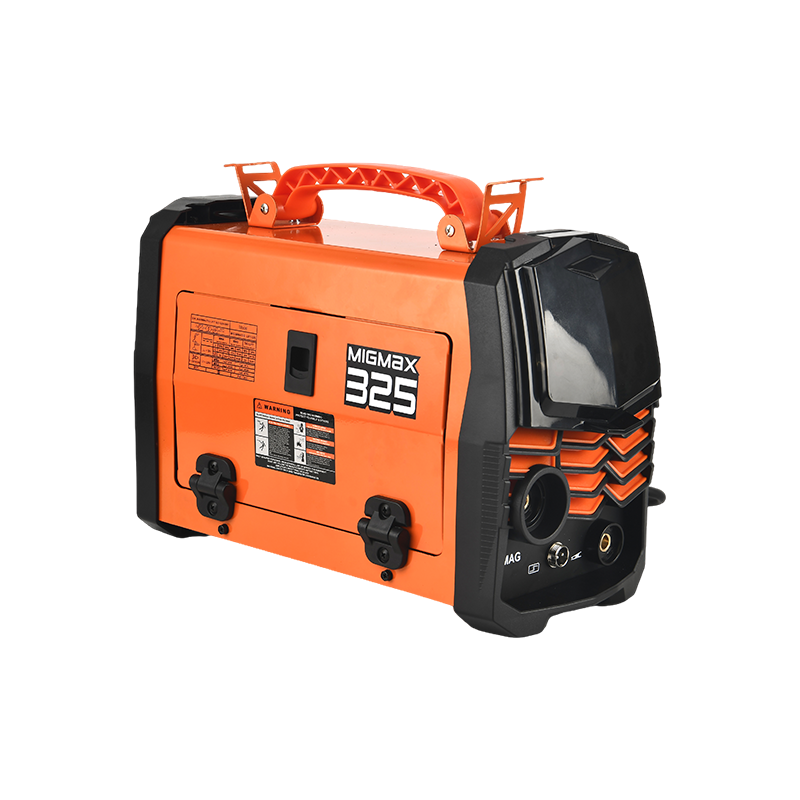
MIG Welding Machine systems join metal pieces by feeding a continuous wire electrode through a torch while shielding the weld area with gas. Heat from an electric arc melts the wire and base metals so they fuse together. Operators guide the torch along the joint to create steady, clean beads.
Core Working Principle
MIG Welding Machine operation starts when the user pulls the torch trigger. Wire feeds forward at a set speed while electrical current forms an arc between the wire tip and the workpiece. Shielding gas flows around the arc to protect the molten metal from surrounding air.
Consistent wire speed and voltage settings help produce uniform welds. Operators adjust these parameters according to material thickness and type. Smooth coordination between hand movement and machine output supports strong, continuous joints.
Wire and Gas Selection
Solid wire electrodes match common metals such as mild steel, stainless steel, and aluminum. Diameter choices influence deposition rate and heat input. Flux-cored wire options appear for certain outdoor or heavier applications.
Shielding gases typically include argon, carbon dioxide, or mixtures of both. Gas type affects arc stability and bead appearance. Proper matching of wire and gas to the base metal supports clean fusion without excessive spatter.
Setup and Parameter Control
Operators select voltage and wire feed speed based on material thickness. Higher settings suit thicker sections while lower values work for thinner sheets. Polarity usually stays consistent for standard solid-wire processes.
MIG Welding Machine control panels display clear dials or digital readouts for quick adjustments. Trigger locks or latch modes help during long welds. Ground clamps attach securely to the workpiece to complete the electrical circuit.
Common Applications in Workshops
Fabrication shops use these machines for frames, brackets, and structural assemblies. Automotive work includes body panel repairs and custom exhaust fabrication. General metal art and repair tasks also benefit from the continuous wire process.
MIG Welding Machine units handle both thin sheet and thicker plate when parameters match the job. Multi-pass welds build up strength on heavier sections. Versatile performance covers many everyday metal-joining needs.
Material Compatibility Details
Mild steel remains a frequent choice because it welds readily with standard wire and gas. Stainless grades require matching wire and suitable shielding mixtures. Aluminum demands specific wire, spools, and often pure argon.
Surface preparation improves results across all metals. Clean edges free of rust, paint, and oil allow the arc to establish quickly. Proper fit-up of joints reduces gaps that could affect bead quality.
Skill Development Path
Beginners often start with simple butt joints on mild steel practice plates. Gradual progress includes different joint types such as lap, tee, and corner configurations. Consistent practice builds control over speed, angle, and distance.
Experienced users refine techniques for out-of-position welds and varied thicknesses. Understanding how settings interact with material response leads to more predictable outcomes. Regular use strengthens coordination between eye, hand, and machine response.
MIG Welding Machine technology offers a practical method for joining metals through continuous wire feeding and gas-shielded arcs. From basic setup to steady torch movement, each element contributes to reliable fusion across a range of workshop tasks. Clear controls and adaptable components support both simple repairs and more involved fabrication projects.