

 English
 русский
 Français
 Español
The powerful cutting tool important for forestry, landscaping, and storm response has undergone significant technological evolution in recent years. The modern chain saw represents a sophisticated integration of engine technology, bar and chain engineering, and safety systems designed to deliver reliable performance while protecting the operator. As demands on these tools increase with changing forestry practices and more frequent bad weather events, chain saw manufacturers continue to refine their products to meet the needs of both professional arborists and occasional homeowners.
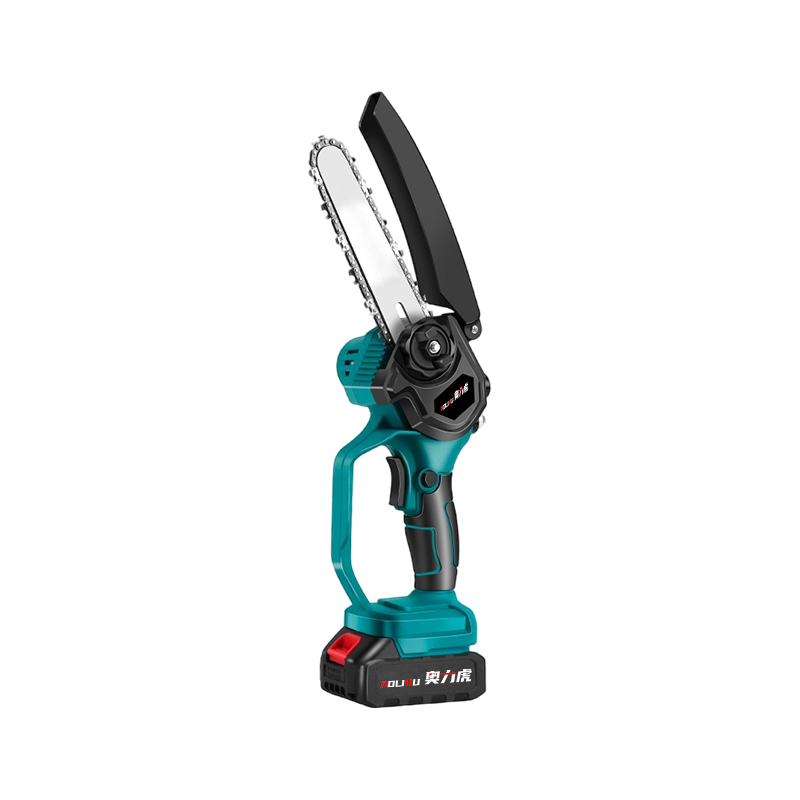
At the heart of any chain saw is the engine that drives the cutting chain, and this area has seen substantial innovation. Traditional two-stroke engines have been refined for greater efficiency and reduced emissions through advanced combustion chamber design and electronic ignition systems. Battery-powered chain saws have emerged as a viable alternative for many applications, offering instant starting, reduced noise, and zero emissions at the point of use. These electric models have benefited from advances in battery technology that extend runtime and reduce weight, making them practical for extended use. The choice between power sources now depends on the specific requirements of the application and user preferences.
The cutting system of a chain saw consists of the guide bar and the chain itself, both of which have seen engineering improvements. Guide bar designs now incorporate replaceable sprocket noses that extend bar life and reduce maintenance costs. Vibration damping within the bar reduces operator fatigue during extended use. The chains themselves feature advanced cutter geometry that improves cutting speed while reducing kickback potential. Low-profile chains with narrow kerf reduce the power required for cutting, allowing smaller engines to accomplish more work. These refinements make the modern chain saw more efficient and easier to control than previous generations.
Safety features have become increasingly prominent in chain saw design, reflecting the inherent risks associated with high-speed cutting tools. Chain brakes, which stop the chain instantly if kickback occurs, are now standard on virtually all models. Hand guards protect the operator's hands from contact with the chain. Throttle interlocks prevent accidental acceleration. Anti-vibration systems reduce the transmission of vibration to the operator's hands, decreasing the risk of long-term injury from prolonged use. Some advanced models incorporate electronic sensors that can detect certain unsafe conditions and respond automatically. These safety innovations have significantly reduced the incidence and severity of chain saw-related injuries.
Maintenance requirements have been reduced through thoughtful engineering. Tool-less chain tensioning systems allow operators to adjust chain tension quickly without wrenches, encouraging proper adjustment that improves both performance and safety. Air filtration systems with centrifugal pre-cleaners extend the interval between filter cleaning in dusty conditions. Accessible fuel and oil caps simplify refilling. These features make it easier for operators to keep their chain saw in ideal condition, extending tool life and ensuring reliable performance when needed.
As forests face increasing pressures from climate change, pests, and development, and as bad weather events create more frequent need for storm cleanup, the importance of reliable, efficient chain saws will only grow. The technological advances seen in recent years position modern chain saws to meet these challenges while protecting the safety and comfort of the operators who depend on them. From professional forest management to residential property maintenance, the chain saw remains an indispensable tool whose evolution continues to benefit those who use it.