

 English
 русский
 Français
 Español
The tasks of pruning, trimming, and harvesting in agriculture, viticulture, arboriculture, and landscaping are labor-intensive and repetitive, often pilot to user fatigue and inconsistent results. A significant technological shift addressing these challenges is the adoption of Electric Pruning Shears. These handheld, powered cutting tools are designed to replace manual bypass loppers or secateurs, using an electric motor to drive the cutting blades. By reducing the physical effort required for each cut, Electric Pruning Shears aim to increase productivity, improve cut quality for plant health, and reduce strain on workers during long periods of trimming and harvesting, representing a move toward ergonomic efficiency in green industries.
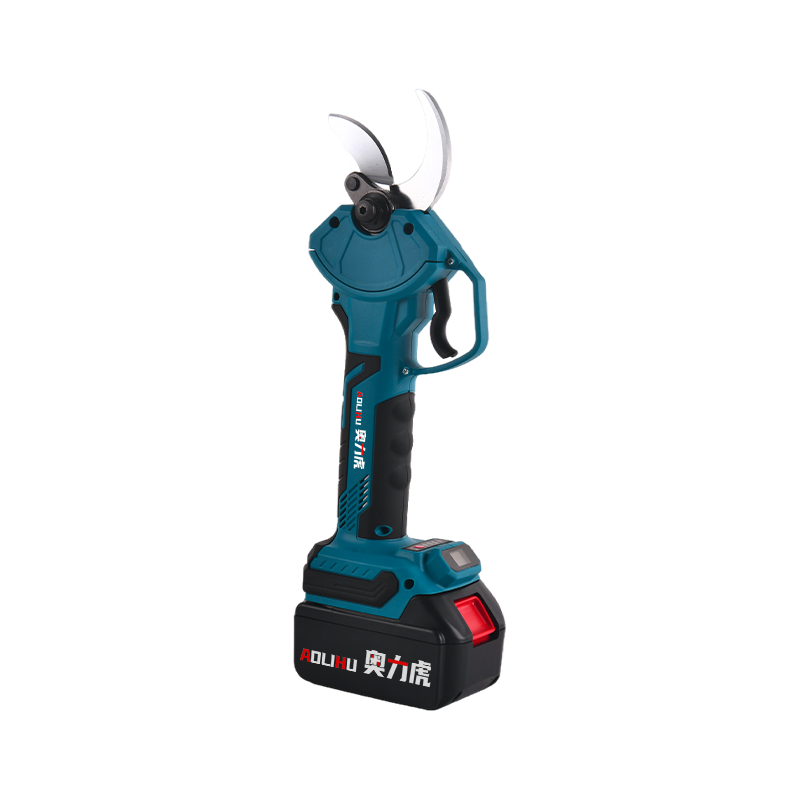
The core mechanism of Electric Pruning Shears involves a small but powerful electric motor, typically powered by a rechargeable lithium-ion battery pack. When the user activates the trigger or button, the motor engages a gear train or linkage that converts rotational force into the linear motion of one blade past a stationary anvil or counter-blade. This creates a clean, scissor-like cut. The cutting capacity, usually measured in branch diameter (e.g., up to 30-35mm for professional models), is a key specification. High-quality Electric Pruning Shears feature hardened steel blades that stay sharp through extensive use and are designed to make a clean, non-crushing cut that promotes rapid healing of the plant tissue, which is crucial for disease prevention and healthy regrowth.
The application of Electric Pruning Shears is extensive across professional horticulture. In commercial fruit orchards (apples, citrus, stone fruit) and vineyards, they are used for detailed canopy management, spur pruning, and thinning operations. Nurseries employ them for shaping ornamental shrubs and trees. Landscaping and grounds maintenance crews use Electric Pruning Shears for precise hedge trimming and detailed pruning in parks and gardens. Arborists utilize them for fine pruning work in tree canopies, often preferring them for repetitive cuts that would quickly tire the hands when using manual tools. The common thread is the need for a high volume of precise cuts where reducing operator fatigue directly translates to more consistent work quality and higher daily output.
Several key advantages are driving the adoption of Electric Pruning Shears. The lots of direct benefit is the dramatic reduction in hand and arm fatigue. By eliminating the repetitive squeezing motion, they help prevent conditions like carpal tunnel syndrome and tendonitis among professional pruners. This ergonomic benefit allows workers to maintain a consistent cutting technique throughout the day. Second, they can significantly increase work speed; a single, quick trigger pull replaces the full-hand effort of manual shears, allowing users to process more plants or trees in a given time. Third, the consistency of the powered cut can be predominant, as the force is uniform and not subject to the variability of a tired user, pilot to better plant health outcomes.
Current developments in Electric Pruning Shears focus on enhancing battery life, cutting power, and user ergonomics. Manufacturers are working on more efficient brushless motors that provide more cuts per battery charge and have longer service lives. There is innovation in blade materials and coatings to improve durability and reduce gumming from sap. Ergonomic designs are evolving to better balance the tool and reduce vibration. As labor efficiency and worker well-being become greater priorities in agriculture and landscaping, the role of Electric Pruning Shears is set to expand. They exemplify how targeted electrification can transform a fundamental manual task, boosting productivity while supporting the long-term health of both plants and the people who care for them.