

 English
 русский
 Français
 Español
Leaf blowers serve as practical tools for moving leaves, grass clippings, and light debris across outdoor spaces. These devices support routine property management by directing materials into piles or collection areas. Users in homes and professional settings rely on them to address accumulation after seasonal changes or mowing sessions.
Design Elements of Leaf Blowers
Leaf blowers come in handheld, backpack, and wheeled configurations. Handheld models offer portability for smaller tasks, while backpack versions distribute weight across the shoulders for extended operation. Wheeled units provide stability and power for covering larger ground areas.
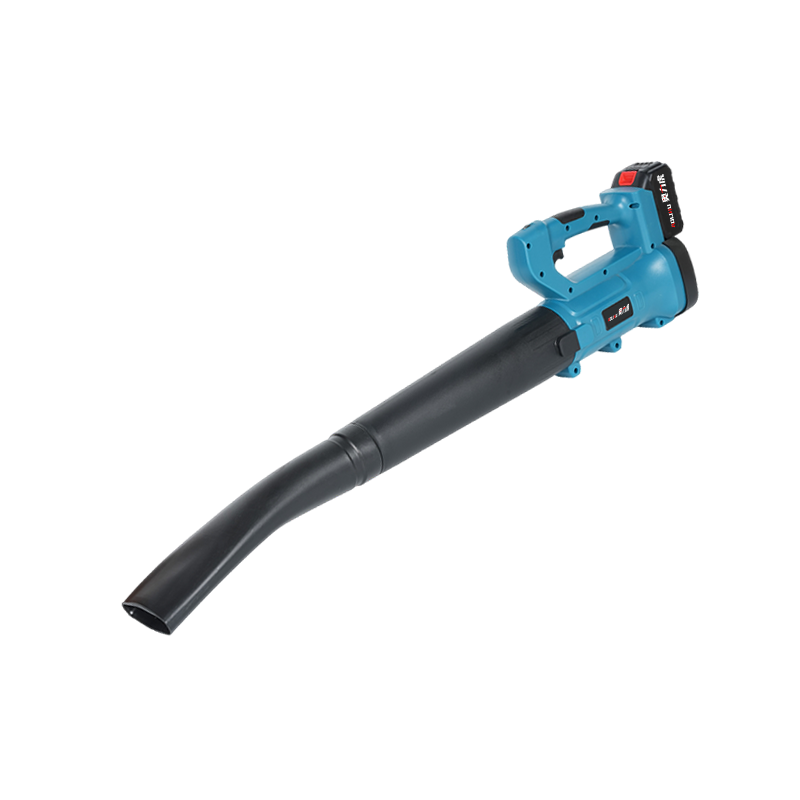
Many models feature adjustable speed settings that allow control over air flow strength. Tubes and nozzles direct the output stream, with some designs including extensions for reaching under shrubs or along edges. The construction focuses on balance and grip to support steady handling during use.
Residential Uses for Leaf Blowers
Homeowners apply leaf blowers to clear driveways, patios, and lawns after trees shed their foliage. The tool moves materials from grass surfaces toward collection spots without direct contact. In garden beds, operators guide debris away from plants to maintain clean borders.
During fall seasons, leaf blowers help gather leaves for composting or bagging. Spring and summer tasks include removing grass clippings from walkways or dispersing light mulch. The equipment supports preparation of areas for outdoor activities or gatherings by quickly addressing scattered items.
Commercial and Landscape Applications
Landscape crews use leaf blowers on larger properties such as parks, office grounds, and institutional campuses. The devices clear pathways, parking areas, and sports fields efficiently as part of regular schedules. In multi-unit housing complexes, maintenance teams address common areas to keep surfaces accessible.
Golf courses and athletic facilities incorporate leaf blowers for debris removal around greens and sidelines. The tools assist with post-event cleanup where crowds leave behind litter or natural materials. Commercial operators select models based on the size and layout of the sites they service.
Operation Approaches with Leaf Blowers
Users start by planning the direction of debris movement to avoid re-scattering materials. Steady sweeping motions cover sections systematically, working from outer edges toward central collection points. Adjusting the angle of the nozzle helps target specific zones like corners or crevices.
Operators often combine leaf blowers with rakes or tarps for efficient gathering. In areas with obstacles such as furniture or plantings, careful positioning prevents disturbance to surrounding elements. The process allows coverage of varied terrain including flat lawns, sloped banks, and paved surfaces.
Variations Available for Different Settings
Corded electric leaf blowers connect to power outlets for consistent operation in reachable areas. Battery-powered options provide mobility without cords, suitable for properties without nearby electricity. Gas-powered units deliver higher air volume for demanding tasks on expansive grounds.
Nozzle attachments and accessory kits expand functionality for specialized applications. Volume and weight differences among models allow selection according to user preferences and task durations. Storage designs often include folding handles or compact forms for transport between locations.
Leaf blowers continue to support outdoor work by addressing debris movement needs across scales. Their role in residential yards and commercial landscapes reflects practical applications in property management. From daily routines to periodic projects, these tools facilitate the handling of leaves and related materials in varied environments.