

 English
 русский
 Français
 Español
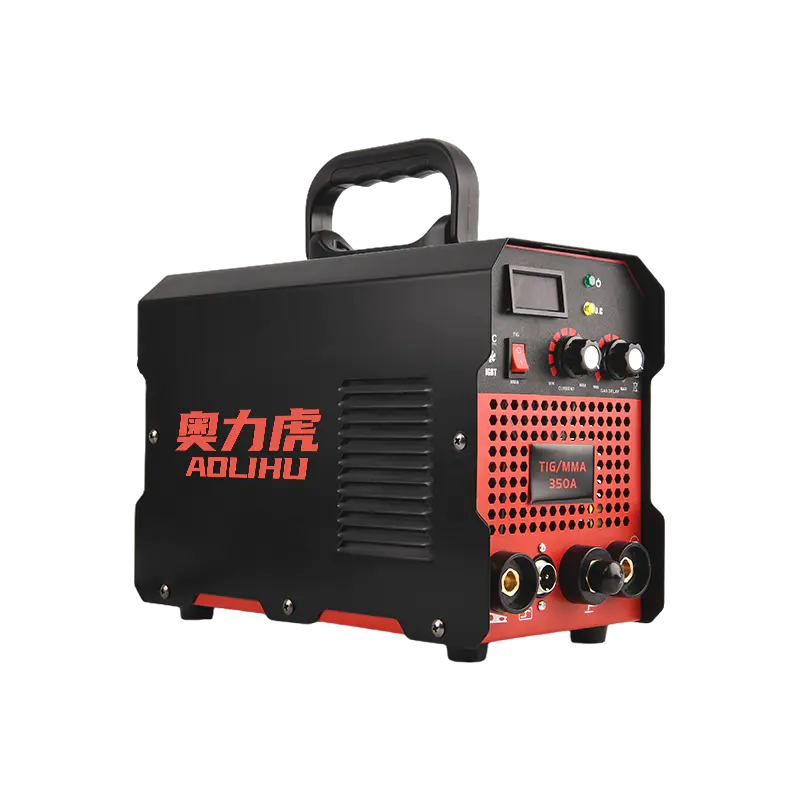
TIG welding machine units play a central role in joining metals with accuracy and control. These machines use a tungsten electrode to create an arc that fuses materials while an inert gas shields the weld area from contamination. Fabricators and technicians rely on TIG welding machine equipment for projects that demand clean, high-quality welds on thin or delicate sections.
Overview of TIG Welding Machine Technology
A TIG welding machine operates through a process known as gas tungsten arc welding. The machine delivers controlled current to the tungsten electrode, generating heat that melts the base metals and optional filler rod. Operators guide the torch manually or with mechanized systems to form the weld bead. Power sources in TIG welding machine models range from inverter-based designs to conventional transformers, each suited to different input voltages and duty cycles. Foot pedals or fingertip controls allow real-time adjustment of amperage during operation, supporting steady arc performance across varying joint configurations.
Key Components in TIG Welding Machine Systems
TIG welding machine setups include several integrated parts that contribute to overall function. The power supply converts electrical input into welding current, while the torch assembly houses the tungsten electrode and directs shielding gas flow. Gas regulators manage argon or helium delivery to protect the molten pool. Many TIG welding machine configurations feature high-frequency start systems that initiate the arc without physical contact, reducing electrode wear. Cooling systems, either air or water based, help manage heat buildup in the torch during extended welding sessions.
Applications Across Manufacturing Sectors
Industries that work with stainless steel, aluminum, and other alloys incorporate TIG welding machine equipment in their operations. Aerospace component assembly uses these machines for joining thin-walled tubing and structural elements where precision matters. Automotive shops apply TIG welding machine units to repair exhaust systems and custom fabrication of frames. In the food and beverage sector, manufacturers employ them to construct sanitary piping and vessels that require smooth, crevice-free welds. Pipe and pressure vessel fabrication shops also depend on TIG welding machine technology for root passes that form the foundation of multi-layer joints.
Operational Aspects of TIG Welding Machine Use
Technicians set parameters on the TIG welding machine based on material thickness and type. Pulse functions available on many models help control heat input and reduce distortion in sensitive workpieces. AC and DC output modes address the specific needs of different metals, with AC often selected for aluminum to break through surface oxides. Torch angles and travel speeds influence bead profile and penetration depth during TIG welding machine operation. Filler metal selection further supports compatibility between the weld and base materials in each application.
Contribution to Metal Fabrication Practices
TIG welding machine equipment integrates into workflows that range from small repair shops to large production facilities. The process allows for detailed work on complex geometries where access is limited or appearance is important. Fabricators use TIG welding machine units to create joints that withstand mechanical stress and thermal cycling in service. The technology supports both manual techniques for custom pieces and automated setups for repetitive production runs. Across these settings, the TIG welding machine helps maintain consistency in weld quality throughout project completion.
The TIG welding machine remains a standard tool in metal joining due to its ability to deliver controlled results on a variety of materials and thicknesses. Its presence in workshops supports the fabrication of components used in transportation, construction, and specialized equipment manufacturing. Through established operating practices, the TIG welding machine continues to address requirements for strong and visually acceptable welds in industrial environments.