

 English
 русский
 Français
 Español
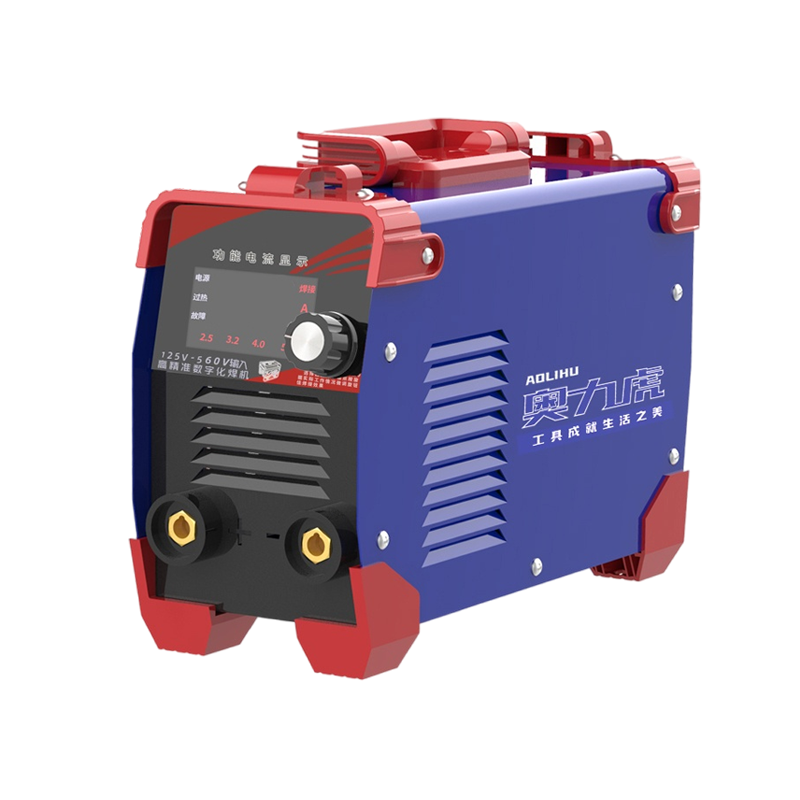
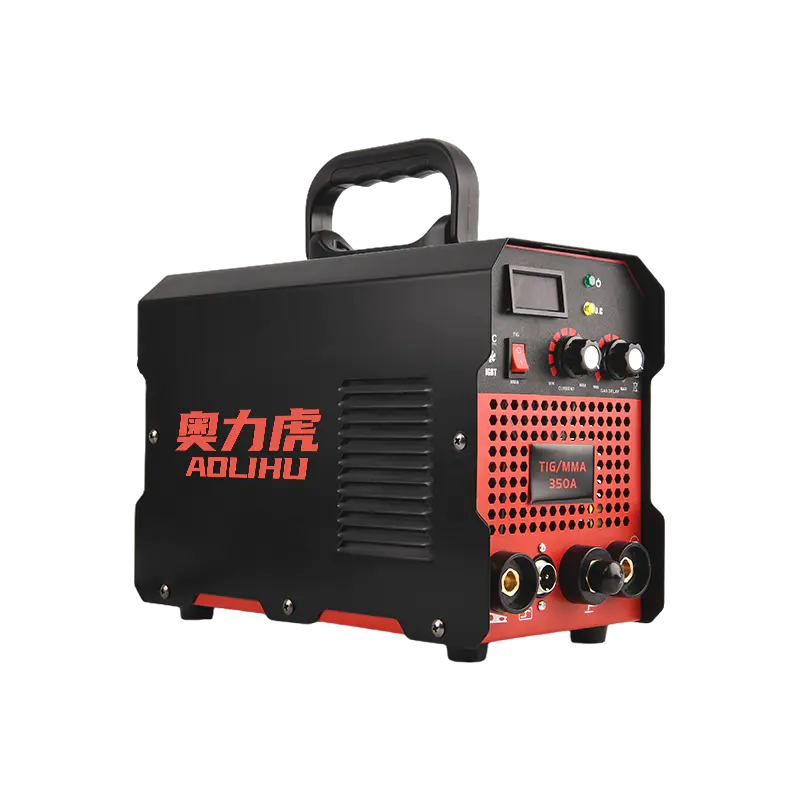
Welding machine is a powerful tool that joins metal pieces by melting them together, creating bonds that are often stronger than the original material. From home workshops to large fabrication facilities, a welding machine enables repairs, custom builds, and production work that would be impossible with mechanical fasteners or adhesives alone.
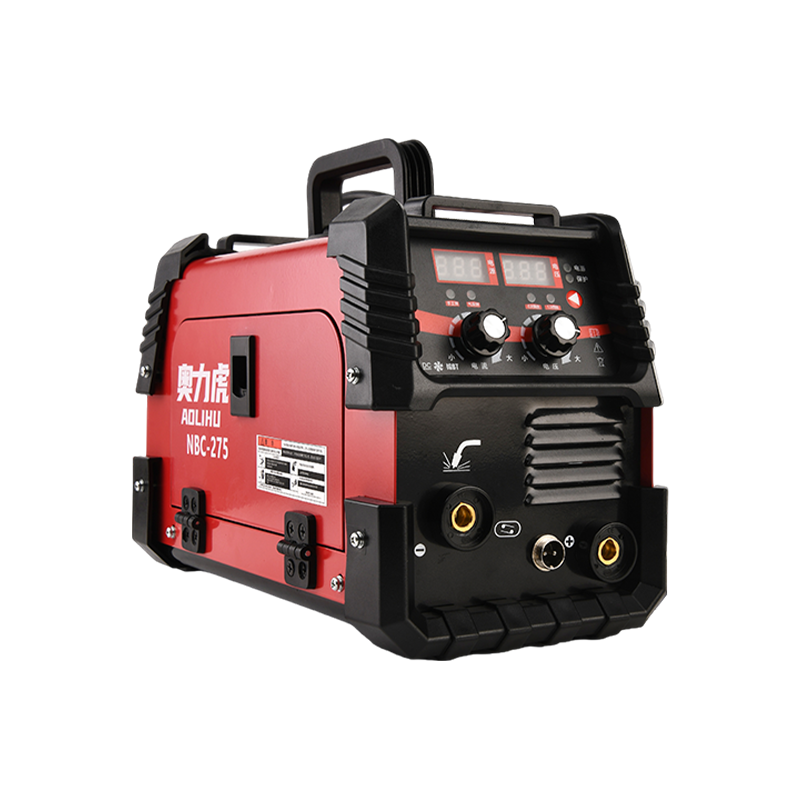
The core advantage of a welding machine is its ability to create permanent, seamless joints. When two pieces of metal are welded correctly, the joint becomes a continuous part of the structure, with no gap or weak point. This strength is essential for structural steel, vehicle frames, pipes, and pressure vessels. A weld made with a quality welding machine and a skilled operator holds up under vibration, temperature changes, and heavy loads.
Different welding processes suit different materials and thicknesses. A welding machine designed for MIG welding feeds a continuous wire electrode through a gun, making it easy to learn and fast to use. MIG works well on steel, stainless steel, and aluminum, from thin sheet metal to thick plate. A welding machine for stick welding uses individual electrodes that the operator changes after each weld. Stick welding works outdoors, in windy conditions, and on dirty or rusty metal where other processes struggle. A TIG welding machine uses a non-consumable tungsten electrode and separate filler rod, offering precise control for thin materials, exotic alloys, and cosmetic welds.
The portability of a welding machine has improved significantly with inverter technology. Older transformer-based welding machines are heavy, often weighing over 100 pounds. An inverter welding machine of similar output can weigh 20 to 30 pounds, light enough for one person to carry to a job site. This portability allows welders to work on equipment in the field, repair fences and gates on site, and perform maintenance without moving heavy machinery to a shop.
The power input of a welding machine should match the available electrical supply. Small 120-volt welding machines plug into standard household outlets and are suitable for light repairs, hobby projects, and sheet metal up to 1/8 inch thick. Larger 240-volt welding machines require a dedicated circuit and handle material up to 1/2 inch or more in a single pass. Some dual-voltage welding machines accept either input, offering flexibility for users who work in different locations.
The duty cycle of a welding machine indicates how long it can run before needing to cool. A 30 percent duty cycle at big output means the machine can weld for 3 minutes out of every 10 at that setting. For occasional repairs and hobby use, a lower duty cycle is acceptable. For production work or long welds, a higher duty cycle of 60 percent or more is necessary. Selecting a welding machine with a duty cycle that matches the intended use prevents overheating and extends machine life.
For anyone who works with metal, a welding machine opens up possibilities that no other tool can offer. It repairs broken equipment, fabricates custom parts, and builds structures from raw stock. With the right welding machine for the job and practice to develop skill, a welder turns separate pieces of metal into one solid, lasting assembly, ready for years of service.