

 English
 русский
 Français
 Español
A rotary hammer drill combines rotation with a powerful pounding action. This dual motion lets the tool drive into hard materials such as concrete, brick, and stone far more effectively than a standard drill. Workers reach for it when they need clean holes or controlled material removal on construction and renovation projects.
The tool stands out because it delivers impact energy through a piston mechanism rather than relying only on the operator’s pressure. That internal hammering reduces strain on the user’s arms while increasing progress through tough surfaces.
How the Mechanism Operates
Inside a rotary hammer drill, an electric motor turns a crank that drives a piston. The piston compresses air or moves a striker that hits the back of the bit at high frequency. At the same time, the chuck rotates the bit. The result is a rapid series of blows paired with spinning motion.
This combination fractures the material ahead of the bit and then clears the debris. Operators notice the difference immediately when the bit advances steadily instead of stalling. The energy comes from the tool itself, so the user mainly guides and steadies the machine.
Available Operating Modes
Most models offer selectable modes that change how the tool behaves. Rotary-only mode turns the bit without hammering, useful for lighter materials or driving anchors. Hammer-only mode delivers blows without rotation, helpful for light chiseling or surface preparation. The combined rotary-plus-hammer mode handles the majority of drilling tasks in masonry.
Switching between modes is usually done with a simple collar or lever near the chuck. Matching the mode to the material and the job keeps the work efficient and the bit longer-lasting.
Bit Systems and Compatibility
Rotary hammer drills commonly use SDS or SDS-Plus shank systems. These shanks lock into the chuck with grooves that allow the bit to slide slightly forward and back during impact. The design transfers energy efficiently while preventing the bit from spinning freely in the chuck.
Bits come in a range of diameters and lengths for different hole sizes. Carbide tips stand up to abrasive materials. Some bits are designed for through-holes, while others create clean openings for anchors or rebar. Choosing the right bit for the material and depth improves both speed and hole quality.
Handling and Control Features
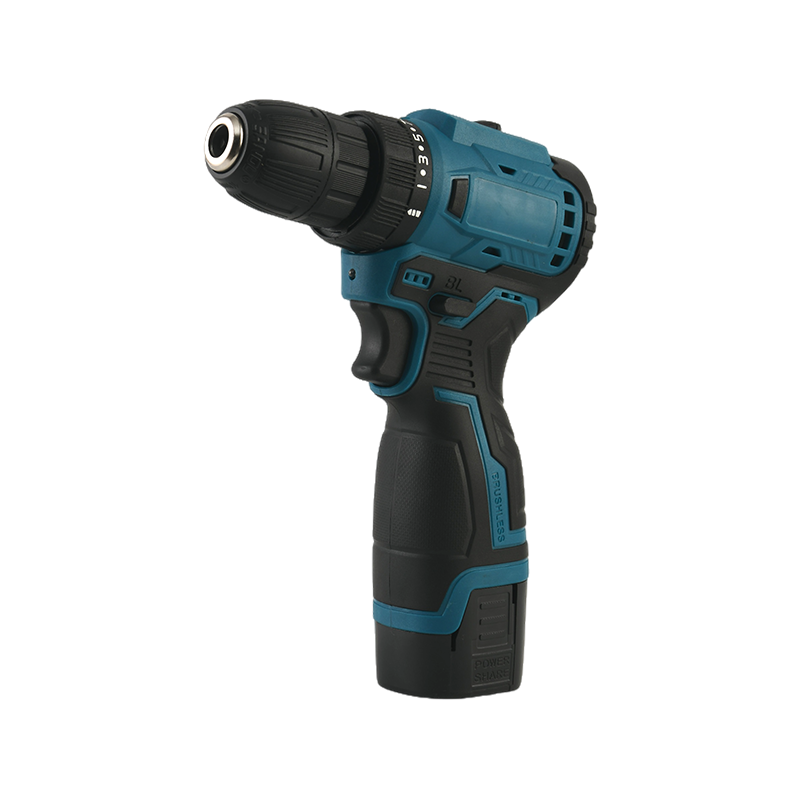
A well-balanced rotary hammer drill feels manageable even during extended use. Side handles give extra leverage and help counteract torque. Vibration-reduction systems in the housing and handle absorb some of the shock before it reaches the operator’s hands and arms.
Variable-speed triggers allow the user to start holes slowly for accuracy and then increase speed once the bit is seated. Depth stops or gauges help create consistent hole depths when multiple openings are required. These practical details support cleaner results and greater comfort across a workday.
Common Applications on Site
Crews use a rotary hammer drill to install electrical boxes, run conduit, set anchors for shelving or machinery, and create openings for plumbing. In renovation work the tool removes old tile or breaks out sections of wall with controlled force. The ability to switch modes makes one machine cover several related tasks without constant tool changes.
On concrete floors or walls the steady advance of the bit keeps projects moving. In brick or block the tool maintains accuracy so fasteners sit securely. The consistent performance helps teams meet schedules while producing reliable results.
A rotary hammer drill earns its place in toolkits through its ability to handle demanding materials with steady progress. By combining rotation and impact in a controlled package, it turns difficult drilling tasks into manageable ones. The right mode, bit, and handling technique allow users to complete holes cleanly and move on to the next stage of the job with confidence.