

 English
 русский
 Français
 Español
Why Rotary Hammer Drills Matter in Construction
Drilling into concrete is different from making holes in wood, plastic, or thin metal. Dense materials place greater demands on the tool, the bit, and the operator. For construction contractors, installation teams, and industrial tool distributors, choosing the right equipment can influence work speed, hole quality, and the range of tasks a tool can handle.
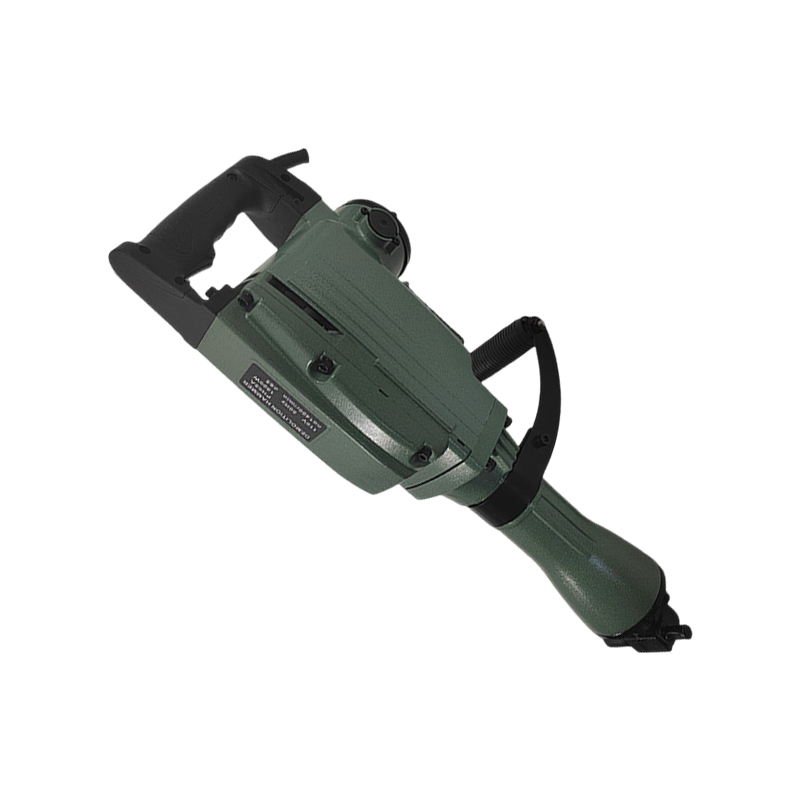
A Rotary Hammer Drill combines rotational movement with a hammering mechanism to help drill into hard materials such as concrete, masonry, and brick. Unlike a conventional drill that relies mainly on rotation, this tool delivers repeated impacts while the bit turns. The combined action helps break down hard material as the cutting edges remove debris from the hole.
How the Hammering Mechanism Works
Rotary hammer drills use an internal mechanism to generate repeated impacts along the drilling axis. Depending on the design, this mechanism may use an electro-pneumatic system that transfers energy through a piston and striker assembly.
The bit receives both rotational force and axial impact, allowing it to penetrate concrete more effectively than a standard drill in many applications. Tool power, impact energy, bit design, and drilling diameter all influence the result.
A Rotary Hammer Drill may also provide different operating modes. Some models support rotation with hammering, rotation only, or hammering without rotation. These functions allow contractors to switch between drilling holes, working with certain materials, and performing light chiseling tasks where the tool design permits.
Matching Tool Specifications to Job Requirements
Tool selection should begin with the material and hole dimensions involved. Small holes for anchors and installation fasteners may require different equipment from larger holes used for pipes, conduits, or mechanical fixtures.
Power input provides information about the electrical energy consumed by a corded tool, while impact energy describes the energy delivered during each hammering action. These figures should be considered alongside the tool's permitted drilling range and intended application.
For buyers comparing a Rotary Hammer Drill, the maximum drilling diameter is particularly relevant. A tool designed for smaller anchor holes may not be suitable for repeated large-diameter drilling. Weight and overall dimensions also affect handling, especially when work involves overhead installations or confined spaces.
Applications Across Construction and Installation Work
Rotary hammer drills are used in residential construction, commercial building projects, renovation work, and industrial installation. Typical tasks include drilling anchor holes in concrete floors, preparing fixing points in masonry walls, and creating openings for mechanical or electrical installations.
Contractors may also use compatible accessories for selected chiseling tasks, such as removing small sections of masonry or adjusting concrete surfaces. The suitability of these tasks depends on the tool's operating modes and rated capacity.
For professional distributors, a Rotary Hammer Drill can serve several customer groups, including building contractors, electrical installers, plumbing teams, and equipment rental businesses. Understanding the work performed by each group helps distributors organize product ranges around drilling capacity, tool size, and accessory compatibility.
Corded and Cordless Models
Corded models receive power from an electrical supply and are often selected for work areas where continuous access to electricity is available. Cordless models use rechargeable batteries, providing greater freedom of movement where power outlets are limited or cables may restrict access.
The choice depends on work duration, drilling requirements, site conditions, and the availability of compatible batteries. Battery voltage alone does not establish drilling performance; impact energy, motor design, and the overall tool specification also matter.
When sourcing a Rotary Hammer Drill, buyers should compare the complete operating specifications rather than selecting a model based on its power source alone.