

 English
 русский
 Français
 Español
The global landscape of fabrication, construction, and repair continues to be shaped significantly by the evolution of the electric welding machine. This essential equipment, which uses electrical energy to generate the heat required to fuse metals, remains a cornerstone tool across countless industries. Recent trends highlight a focus on improving portability, user accessibility, and process control, making advanced welding capabilities available to a broader range of operators.
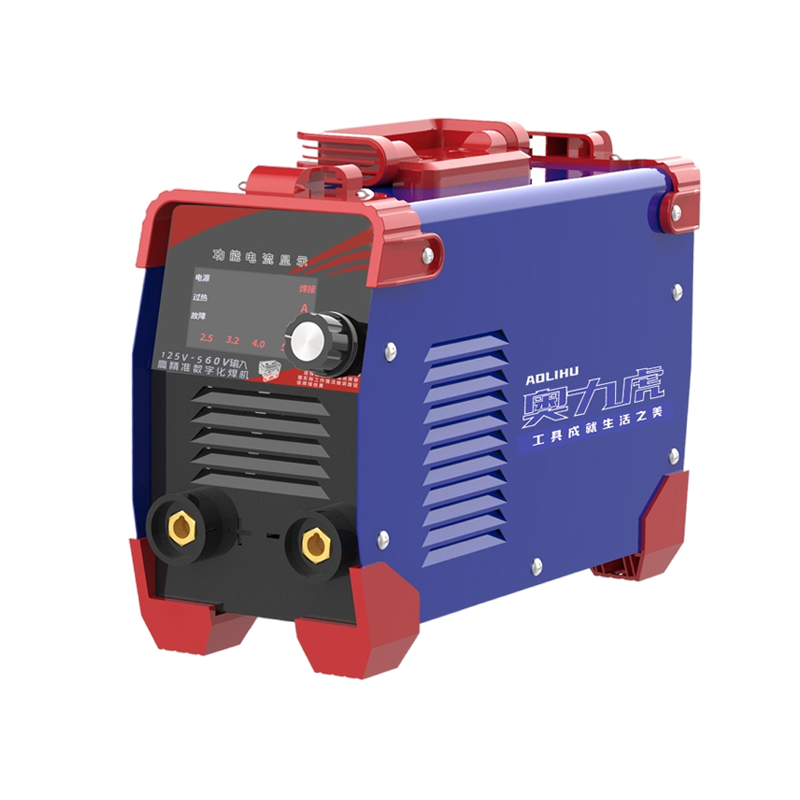
At its core, an electric welding machine functions by creating a closed electrical circuit. When the machine is activated, an electric arc is struck between an electrode and the metal workpiece, producing intense localized heat that melts the materials and allows them to coalesce. The primary types of electric welding machine processes, such as Shielded Metal Arc Welding (SMAW), Gas Metal Arc Welding (GMAW), and Tungsten Inert Gas (TIG) welding, each utilize this fundamental principle with different methods of shielding and electrode feeding. The reliability and robustness of a modern electric welding machine are critical for ensuring strong, consistent weld joints in applications from structural steelwork to delicate automotive repairs.
A major trend influencing the electric welding machine market is the shift towards inverter-based technology. Traditional transformer-based machines are often heavy and can be less efficient. An inverter electric welding machine uses a series of electronic components to convert incoming power to a high frequency before stepping down the voltage and rectifying it to direct current. This results in a machine that is substantially lighter, more compact, and offers predominant energy efficiency. Furthermore, inverter technology provides greater control over the welding arc, allowing for smoother performance, easier arc starts, and the ability to weld a wider variety of materials and thicknesses with a single electric welding machine.
Portability and multi-process capability are increasingly common features. The demand for a versatile electric welding machine that can perform Stick, MIG, and sometimes TIG welding from a single power source is growing, particularly among maintenance professionals, fabricators, and skilled DIY enthusiasts. These multi-process units offer significant flexibility, reducing the need for multiple dedicated machines. Coupled with improvements in battery technology, cordless electric welding machine models are also emerging for applications where grid power is inaccessible, though their runtime and power output are subjects of ongoing development.
Enhanced digital interfaces and connectivity are becoming more integrated into electric welding machine design. Many contemporary machines feature digital displays that allow welders to precisely set voltage, amperage, and wire feed speed. Some advanced models can store customized welding programs for specific jobs or materials, ensuring repeatable settings. While fully networked industrial electric welding machine systems enable remote monitoring and data logging for quality control in automated production environments, even consumer-grade machines are benefiting from smarter, more user-friendly controls that simplify setup for novice users.
The electric welding machine sector is poised for continued refinement. Key areas of development include further improvements in energy efficiency, reductions in size and weight without sacrificing power, and enhanced arc characteristics for specialized alloys. The expansion of renewable energy infrastructure, electric vehicle manufacturing, and general industrial automation will drive demand for reliable, precise, and adaptable electric welding machine technology. As the tool evolves, it continues to empower creators and builders, from large-scale industrial projects to home workshops, by providing the controlled power necessary to join metal effectively and durably.