

 English
 русский
 Français
 Español
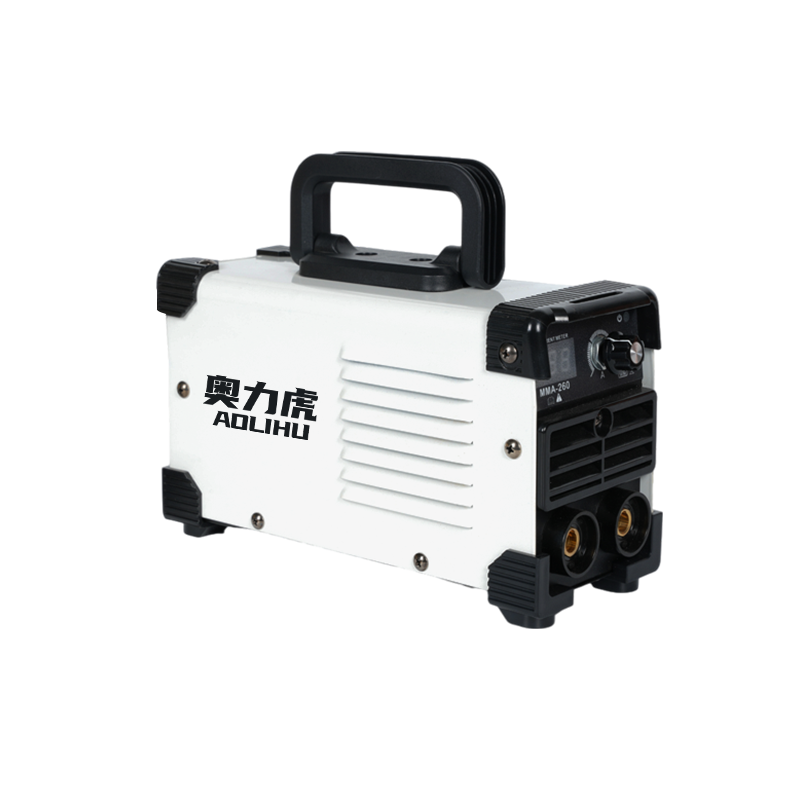
The ability to join metals permanently and with structural integrity is essential across construction, manufacturing, shipbuilding, automotive repair, and countless DIY projects. The primary tool enabling this ubiquitous process is the Electric Welding Machine. This device utilizes electrical energy to generate the intense heat required to melt and fuse metal workpieces, often with the addition of a filler material. While the fundamental principle is consistent, the modern Electric Welding Machine market encompasses a diverse range of technologies—from traditional transformer-based units to advanced inverter-based machines—each suited to specific materials, applications, and skill levels, driving efficiency and capability in metalworking globally.
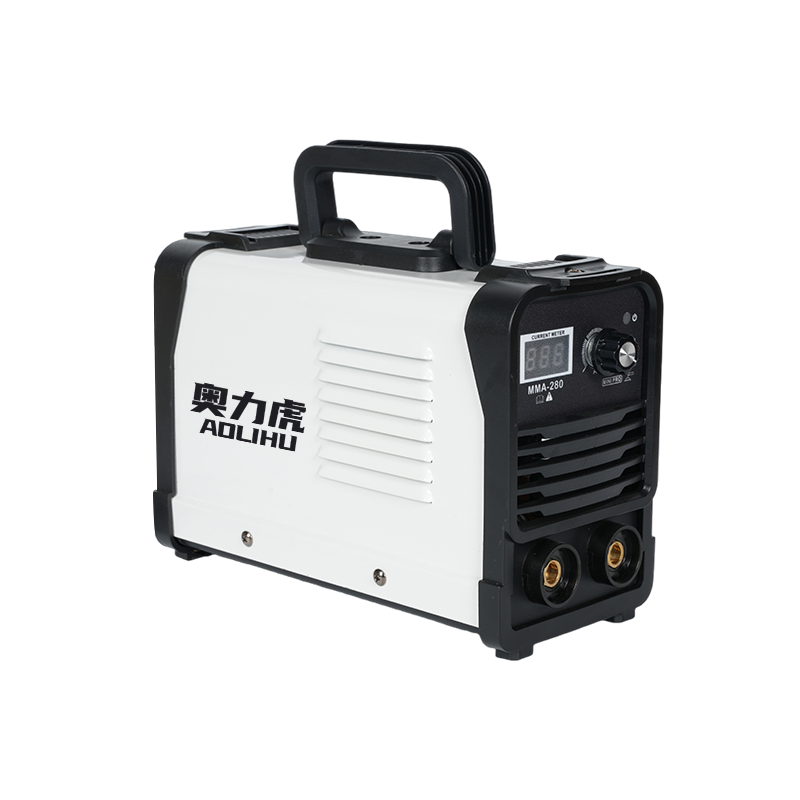
At its core, an Electric Welding Machine creates an electrical circuit. The machine is connected to a power source (utility or generator), and two output cables are attached: one to the workpiece (ground clamp) and one to a handheld electrode or torch. When the electrode contacts the workpiece or is held at a specific distance, the circuit is completed, and electrical resistance or a sustained arc generates concentrated heat—often exceeding 6,500 degrees Fahrenheit—instantly melting the metal at the joint. The lots of common arc welding processes facilitated by an Electric Welding Machine include Shielded Metal Arc Welding (SMAW or "stick welding"), Gas Metal Arc Welding (GMAW or "MIG welding"), and Gas Tungsten Arc Welding (GTAW or "TIG welding"). Each process uses a different type of Electric Welding Machine and consumables to control the arc, shield the molten pool from atmospheric contamination, and manage the weld characteristics.
The design evolution of the Electric Welding Machine has been significantly impacted by inverter technology. Traditional machines used heavy copper or aluminum transformers to step down mains voltage and adjust current. Modern inverter-based Electric Welding Machine units convert incoming AC power to DC, then use high-frequency transistors to switch it back to a controlled AC or DC output. This allows for a much smaller, lighter, and more energy-efficient Electric Welding Machine with predominant arc stability and control. Inverter machines also offer features like hot start (for easier arc ignition), arc force control, and pulsing capabilities, making them versatile and user-friendly for both professionals and hobbyists. The portability of a compact inverter Electric Welding Machine has revolutionized on-site repair and fabrication work.
The application of Electric Welding Machine technology is virtually universal in metal-based industries. In manufacturing, robotic Electric Welding Machine cells perform thousands of consistent welds on automotive frames, appliances, and machinery. Construction sites rely on portable Electric Welding Machine units for structural steelwork and pipeline joining. Maintenance and repair technicians across every sector use Electric Welding Machine equipment for everything from fixing agricultural equipment to repairing ship hulls. The accessibility of smaller, affordable Electric Welding Machine models has also empowered a growing community of makers, artists, and home craftspeople to undertake metal projects, democratizing a skill that was once largely confined to industrial trades.
The development of Electric Welding Machine technology continues to focus on ease of use, process control, and connectivity. Synergic MIG welding Electric Welding Machine models automatically adjust voltage and wire feed speed based on a single dial setting, simplifying setup for complex materials. Advanced TIG Electric Welding Machine units offer precise digital control over AC balance and waveform for welding aluminum and other non-ferrous metals. As industries advance, the demand for welders skilled in operating these sophisticated Electric Welding Machine systems remains strong, underscoring the machine's enduring role as an indispensable tool for building and maintaining the physical world.