

 English
 русский
 Français
 Español
The chain saw has remained a fundamental tool for loggers, arborists, and homeowners who need to cut trees, trim branches, and process firewood. Unlike other saws that require back-and-forth motion, a chain saw uses a rotating chain with cutting teeth to slice through wood quickly. Forestry workers have relied on the chain saw for timber harvesting and storm damage cleanup for decades. The cutting efficiency of a chain saw explains its presence in logging operations and residential garages. Manufacturers continue to produce chain saw models with various bar lengths, engine sizes, and safety features.
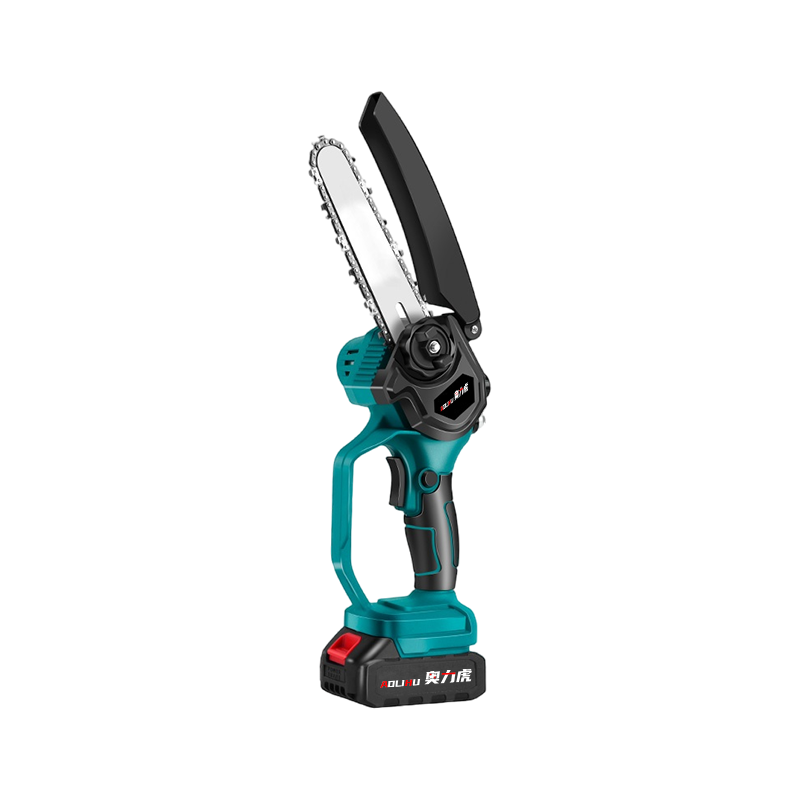
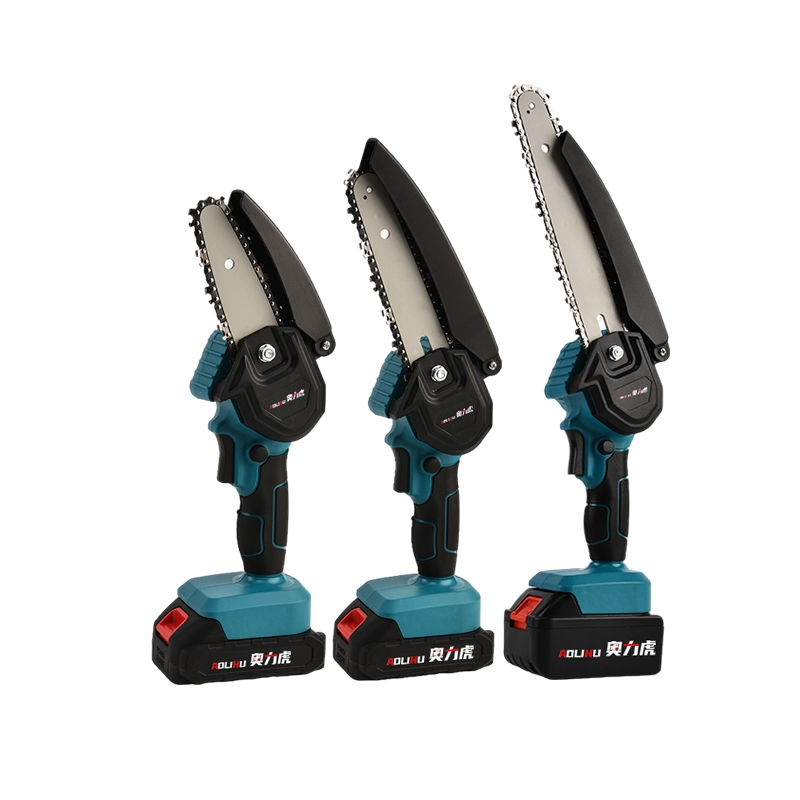
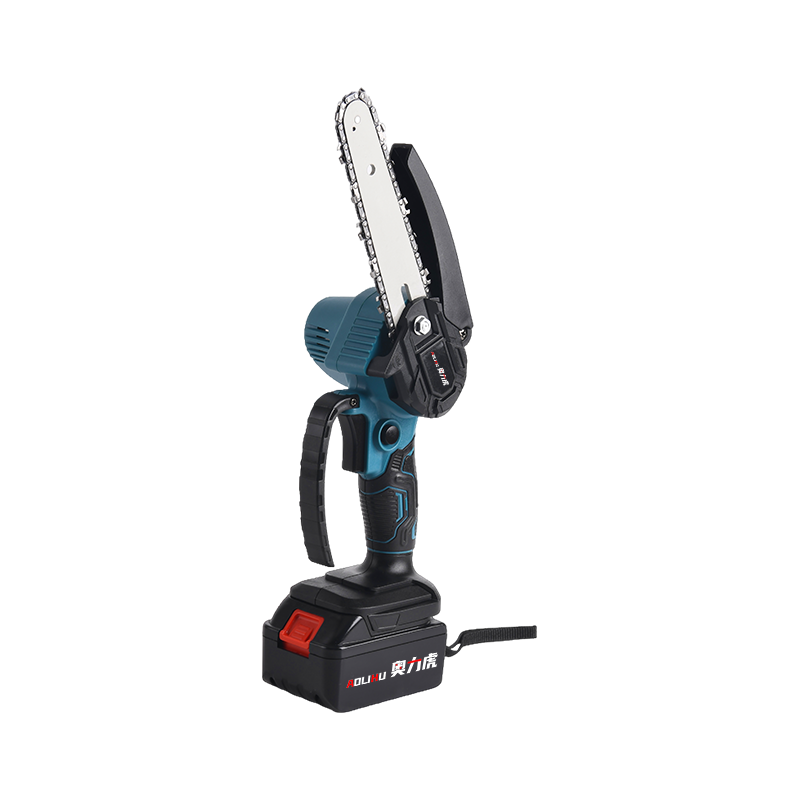
Power sources for a chain saw include gasoline engines, electric motors, and battery packs. A gas-powered chain saw offers high power for extended use in remote locations without electrical outlets. An electric corded chain saw provides consistent power for home use near a power source. A battery-powered chain saw delivers cordless convenience for light to medium cutting tasks around the property. The power rating of a chain saw affects cutting speed and the size of wood it can handle. A properly sized chain saw matches the typical cutting tasks without excess weight or insufficient power.
Bar length of a chain saw determines the big diameter of wood that can be cut. A small chain saw with 12 to 14 inch bar suits pruning and limbing around the yard. A medium chain saw with 16 to 18 inch bar handles firewood cutting and small tree felling. A large chain saw with 20 to 24 inch bar serves professional logging and large tree removal. An extra-large chain saw with 28 inch or longer bar is used for old-growth timber and milling. The bar length of a chain saw should be appropriate for the user's strength and experience level.
Chain and drive link design affects cutting performance and maintenance frequency. The pitch of a chain saw chain measures the distance between drive links and determines compatibility. The gauge of a chain saw chain indicates the thickness of the drive links that fit in the bar groove. A low-kickback chain saw chain reduces the risk of dangerous saw reaction during cutting. The sharpness of a chain saw chain directly affects cutting speed and fuel efficiency. A dull chain saw chain requires more pressure and produces sawdust instead of wood chips.
Safety features on modern chain saw products reduce the risk of injury. A chain brake on a chain saw stops chain movement within milliseconds of kickback detection. A throttle interlock on a chain saw prevents accidental acceleration when not in use. The chain catcher on a chain saw contains the chain if it breaks or derails during operation. A hand guard on the front handle of a chain saw protects the left hand from contact with the chain. The anti-vibration system on a chain saw reduces operator fatigue during extended cutting sessions.
Maintenance requirements for a chain saw include chain sharpening and bar cleaning. The chain saw chain requires sharpening after every few hours of use for ideal performance. The guide bar of a chain saw needs cleaning of the groove and oil ports at regular intervals. The air filter on a chain saw should be cleaned or replaced based on operating conditions. The spark plug of a gasoline chain saw requires periodic inspection and gap adjustment. A well-maintained chain saw starts easily and cuts efficiently throughout its service life.
The chain saw will likely continue evolving with improved battery technology. For anyone needing to cut wood efficiently, the chain saw remains a practical tool.